WAVING IN UNISON (MICROBE OPERA)
animating the theatre of microbiology - an opera of the invisible.
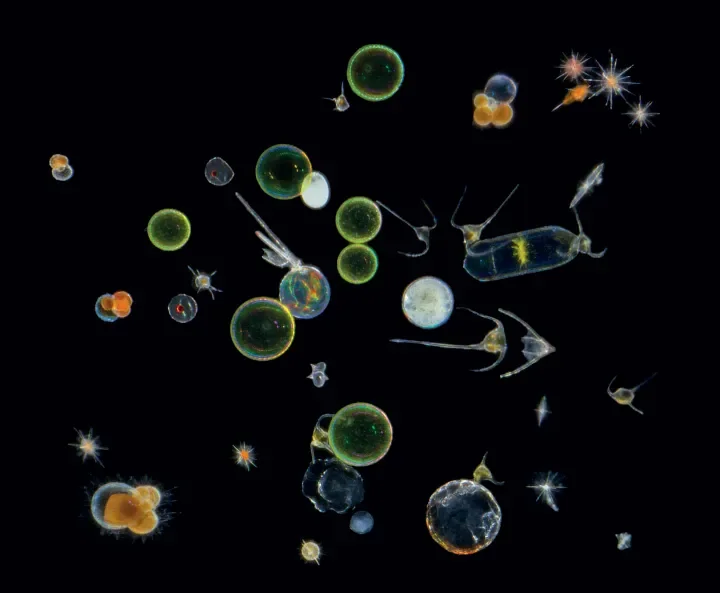
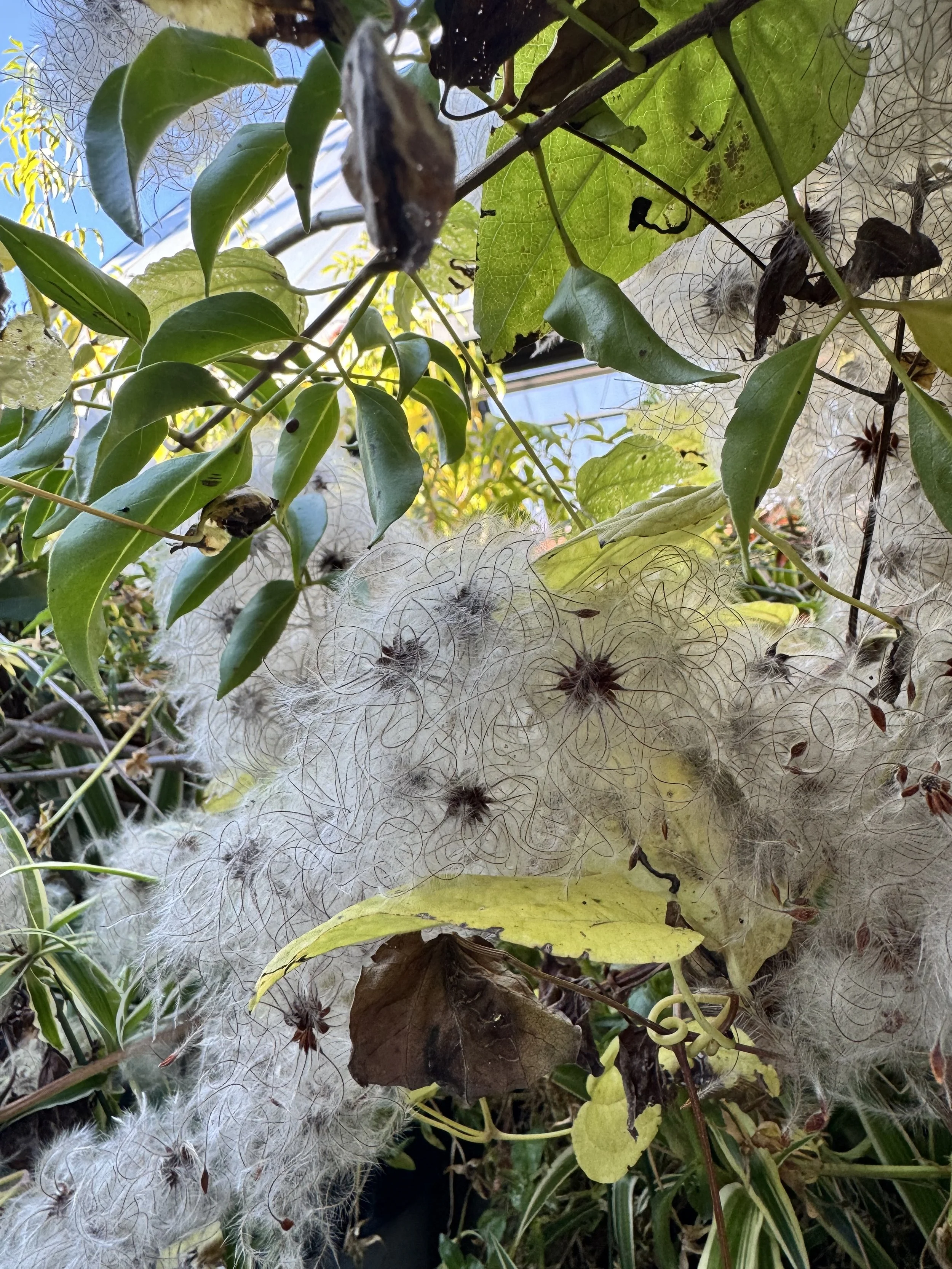
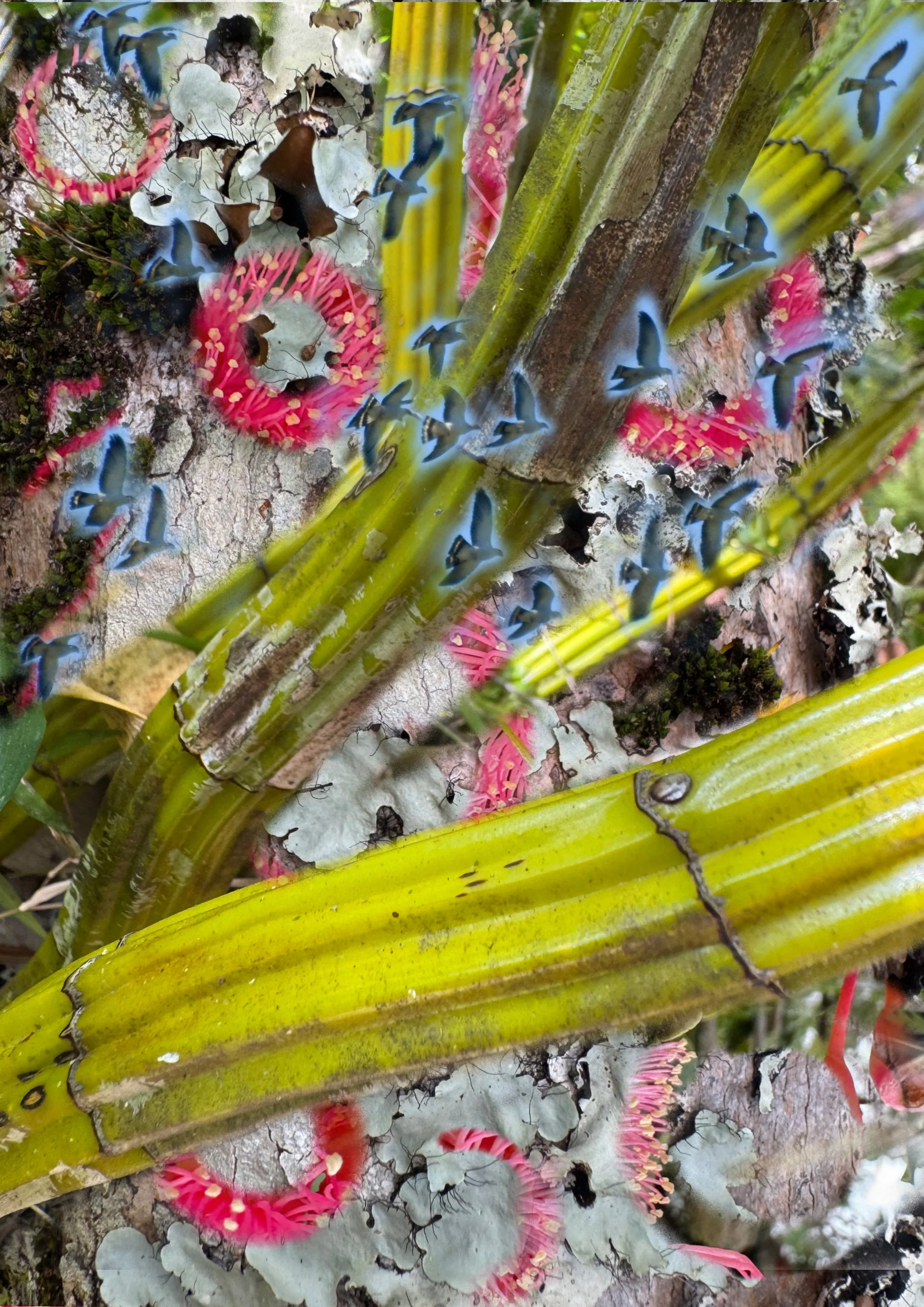
WAVING IN UNISON is an interdisciplinary project that explores the “theatre” of microbiology and the earthly systems it sustains.
At its core it’s a modular, playable sculpture that is musical, exploratory and participatory. A site of gathering, performance and learning, honouring microbial life as the hidden architects of planetary balance. Animated by both artists, musicians and audiences in collaboration with microbiologists and communities creating a playful and evolving experience.
Part ecological aggregation, part choose your own adventure, part participatory flash mob/chorus of glimmering microbial phosphorescent goop. Where hybrid form emerges as adaptive play, storytelling, form and exchange through bio-mimicry, collaborative soundscapes, image and craft making.
Supported by CREATE NSW + the Australian Microbiome Project.
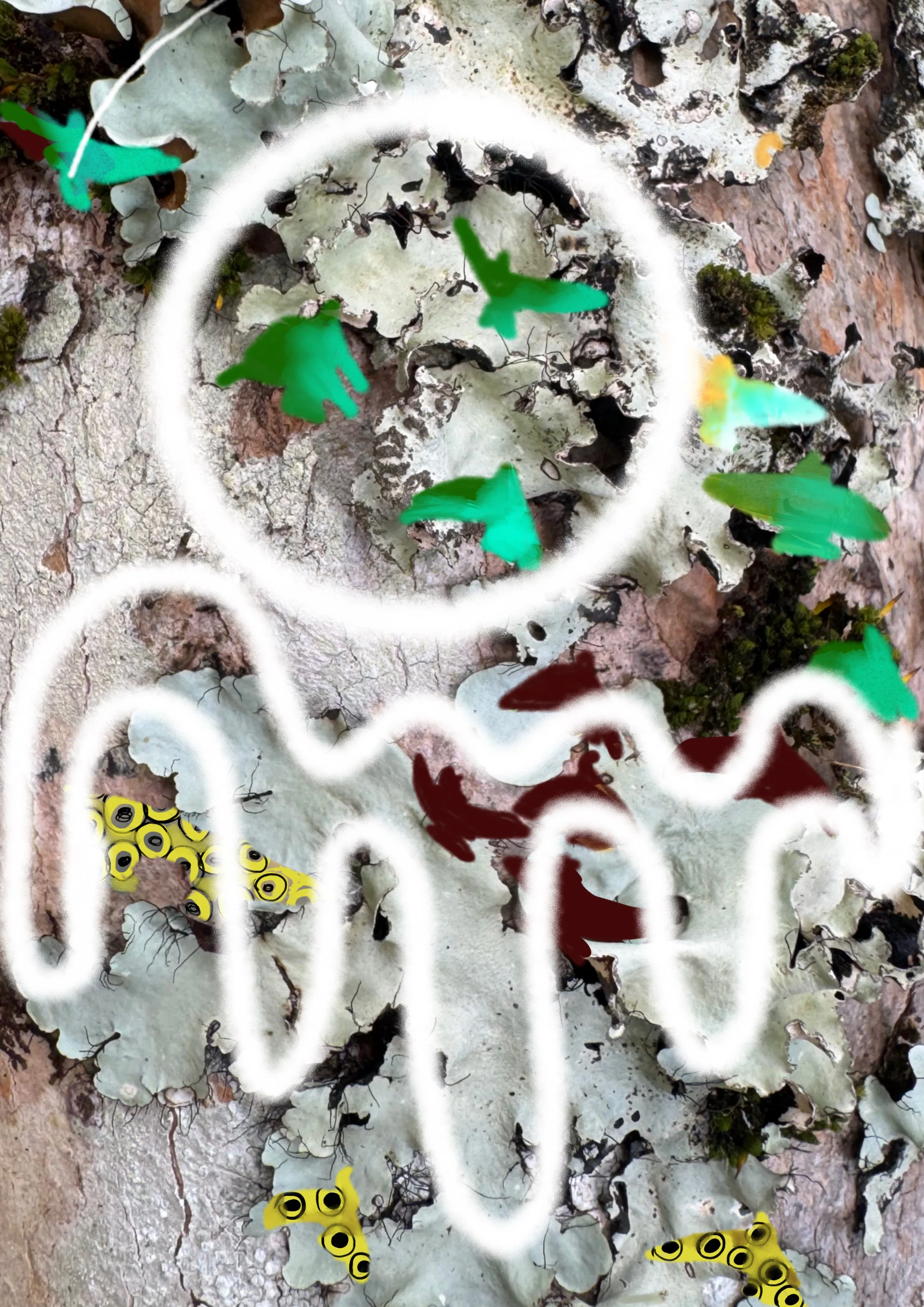
Image: Charlotte Haywood
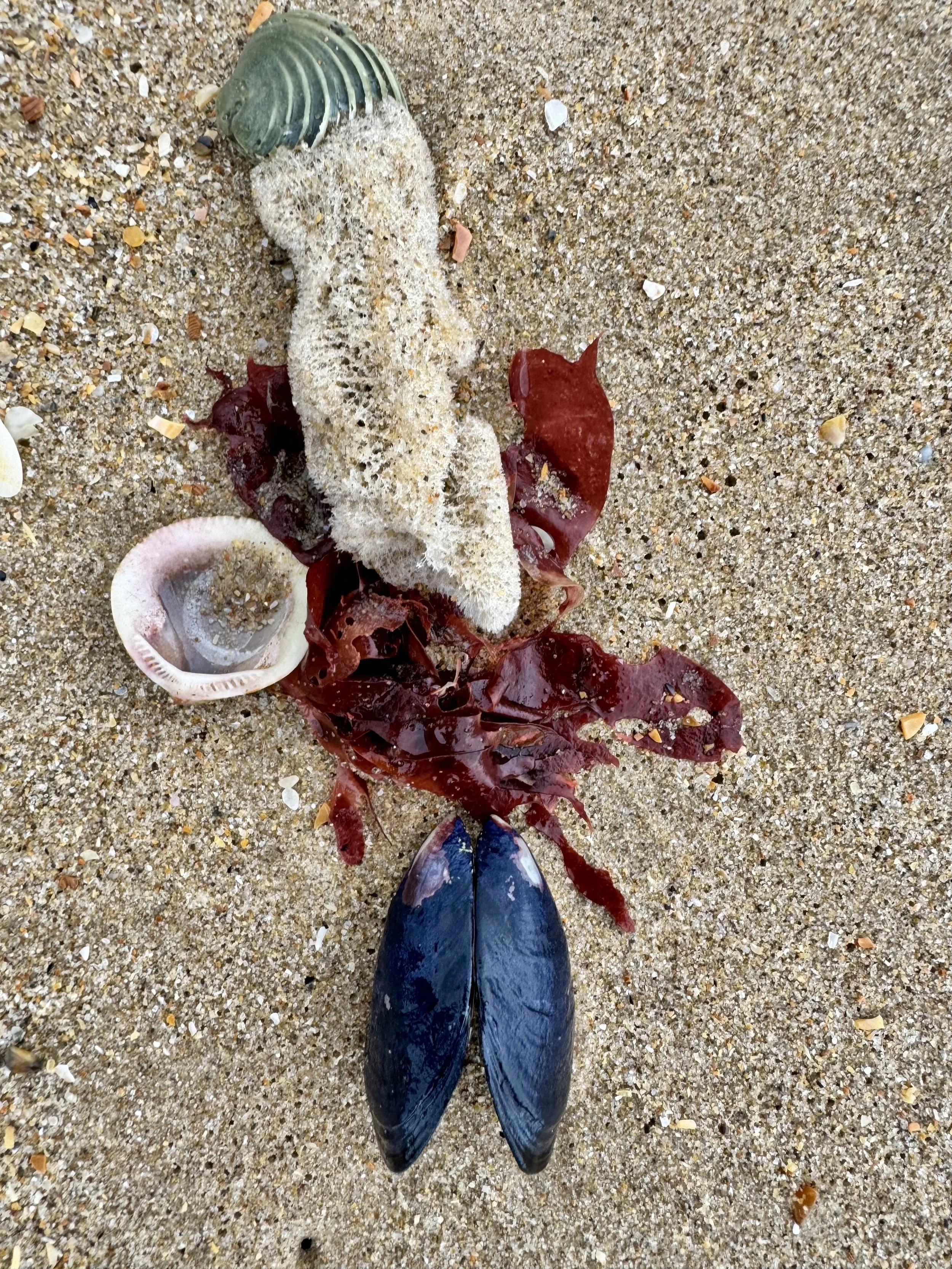
Regulate the conditions for life
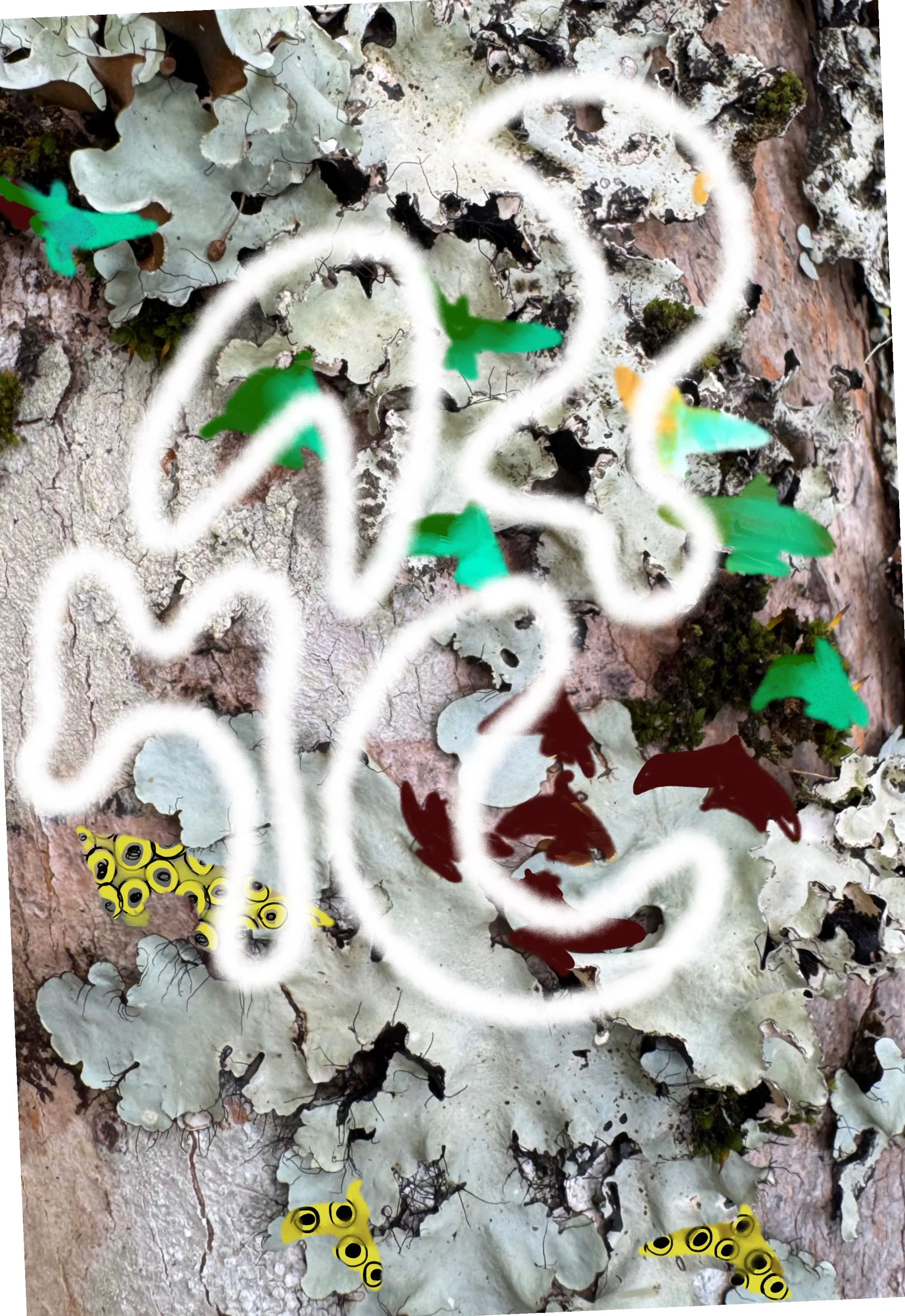
Amorphous renderings for modular installation
Image: Charlotte Haywood
WAvING in UNISON sound cache
Created by Sue Simpson + Charlotte Haywood
Metagenomics- genomics of communities- way of understanding full extent of life. (16srRNA)
Supported by CREATE NSW.
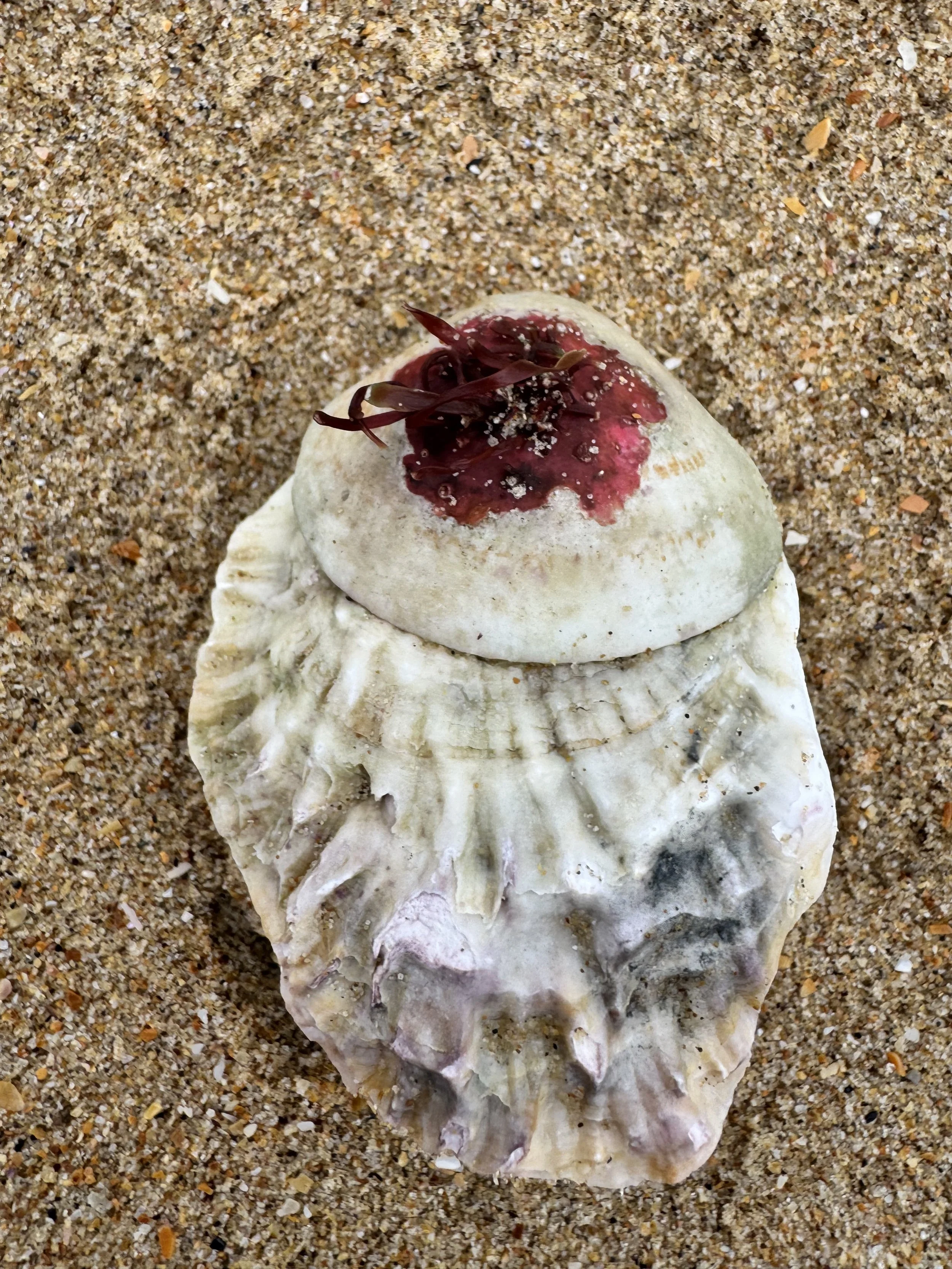
Image: Charlotte Haywood
Methane oxidisation
QPCR
Amorphous renderings for modular installation
Image: Charlotte Haywood
Life arises from non-living matter
Quantum mechanics, age of entanglement-
Loosing separate existence.
Image: Charlotte Haywood
Biogeochemical cycles and “ecosystem services” provided by microbes- continental scale.
Biotechnology- photosynthesis, fermentation/metabolisation, removal of nitrogen.
World’s bacteria have access to a single gene pool, can adapt in a few years. Trading DNA like memes.
Constantly + rapidly adapting - supporting the entire biota. Global exchange network affecting every living Queendom (kingdom)- animal, plant, fungi, protist, archaea, bacteria.
Image: Charlotte Haywood
Endospores of thermophilic bacteria as tracers of microbial dispersal by ocean currents
Revealing community composition, metabolic function, and ecological interactions
Shotgun DNA sequencing
Alphaprotebacteria (SAR11-4)
Most abundant group of closely related organisms on earth - “meaning of life”
Estuaries are dynamic ecosystems that facilitate the exchange of dissolved and particulate organic and inorganic matter from marine,terrestrial and freshwater biomes [1–3].Cycling of carbon, derived from organic matter (OM), and nutrients is enhanced in estuaries due to tidal influences that increase water circu-lation and prolong water residence times [4, 5]. Sustained pop-ulation growth and rapid economic development have exposed many rivers and estuaries to anthropogenic pressures [6], which resultedinincreasedlevelsofOMandnutrients,specificallynitro-gen and phosphorus, from sources such as wastewater effluent and agricultural runoff [7].
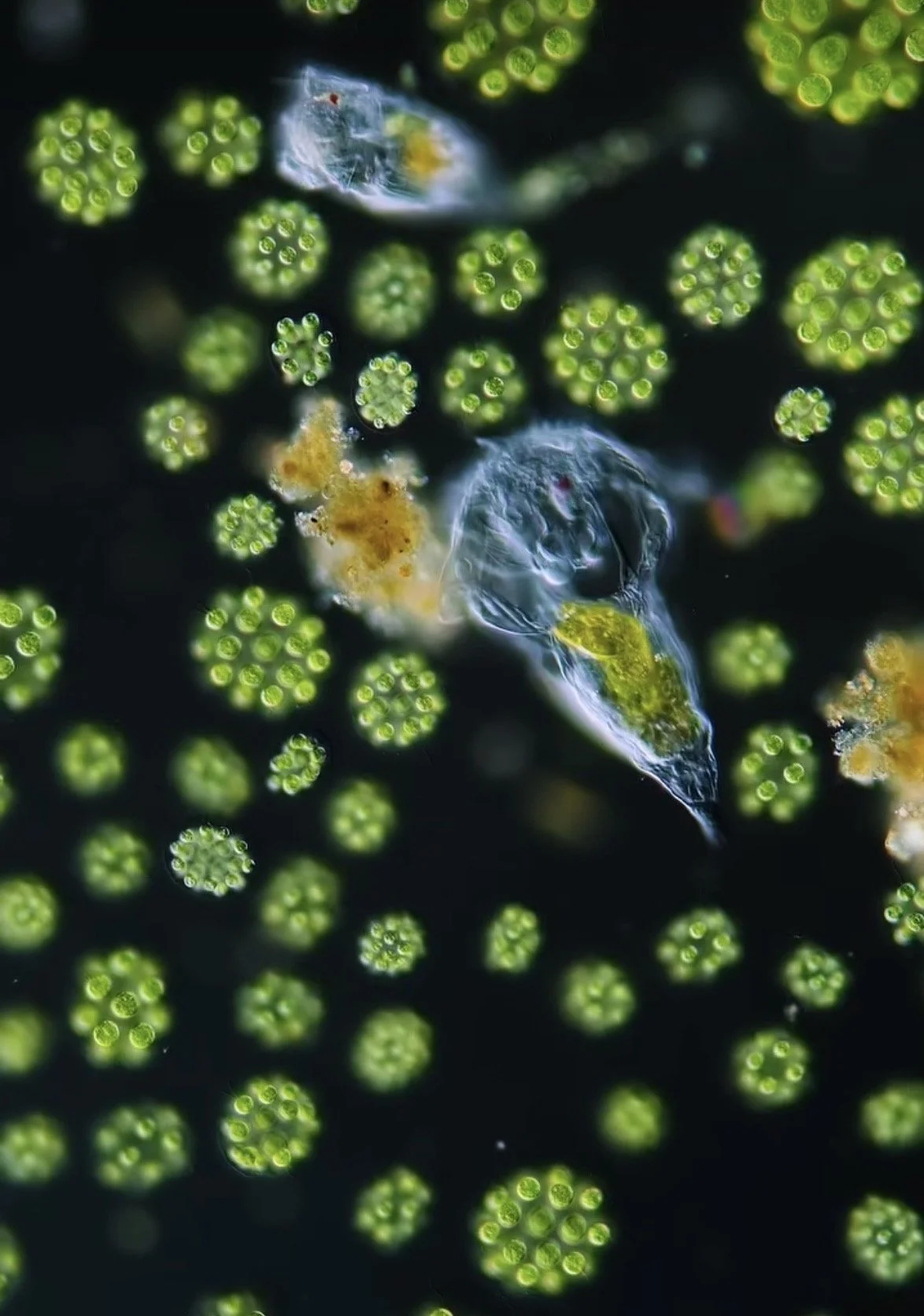
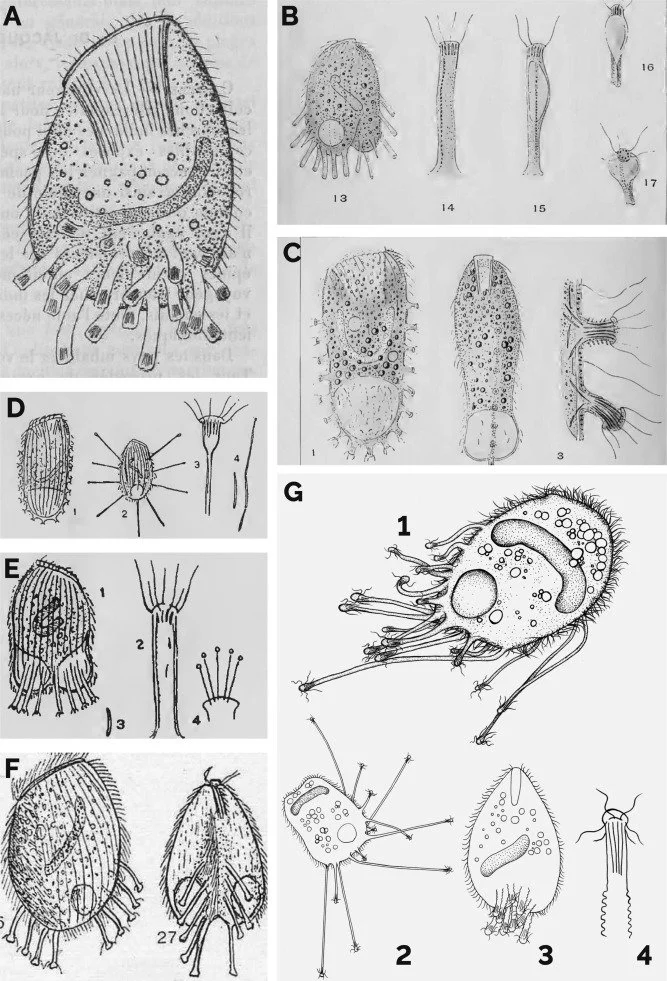
Figure 3. Line drawings of Legendrea loyezae and Legendrea bellerophon, respectively. (A) Legendrea loyezae after Fauré-Fremiet (1908). (B) Legendrea loyezae after Penard (1914). (C) Legendrea bellerophon after Penard (1914). (D) Legendrea bellerophon after Penard (1922). (E) Legendrea loyezae after Penard (1922). (F) Legendrea loyezae after Kahl (1930). (G) Legendrea loyezae based on our observations; 1,2. Cells with extended and contracted tentacles; 3. Swimming cell with fully contracted tentacles; 4. Tip of a contracted tentacle showing extrusomes, cilia and membrane foldings.
excerpt from The Extraordinarily Rare Ciliate Legendrea loyezae Fauré-Fremiet, 1908 (Haptoria, Ciliophora)
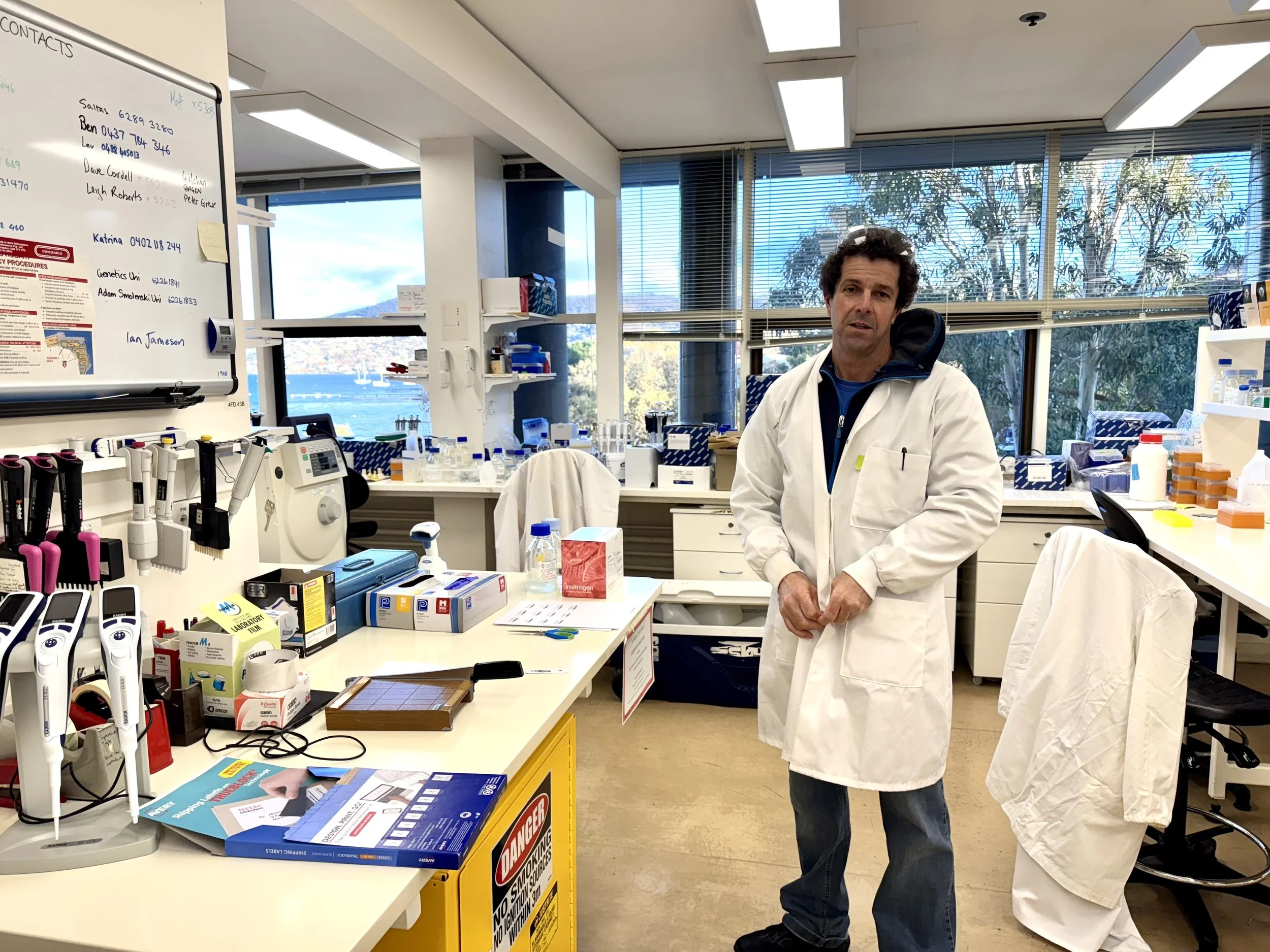
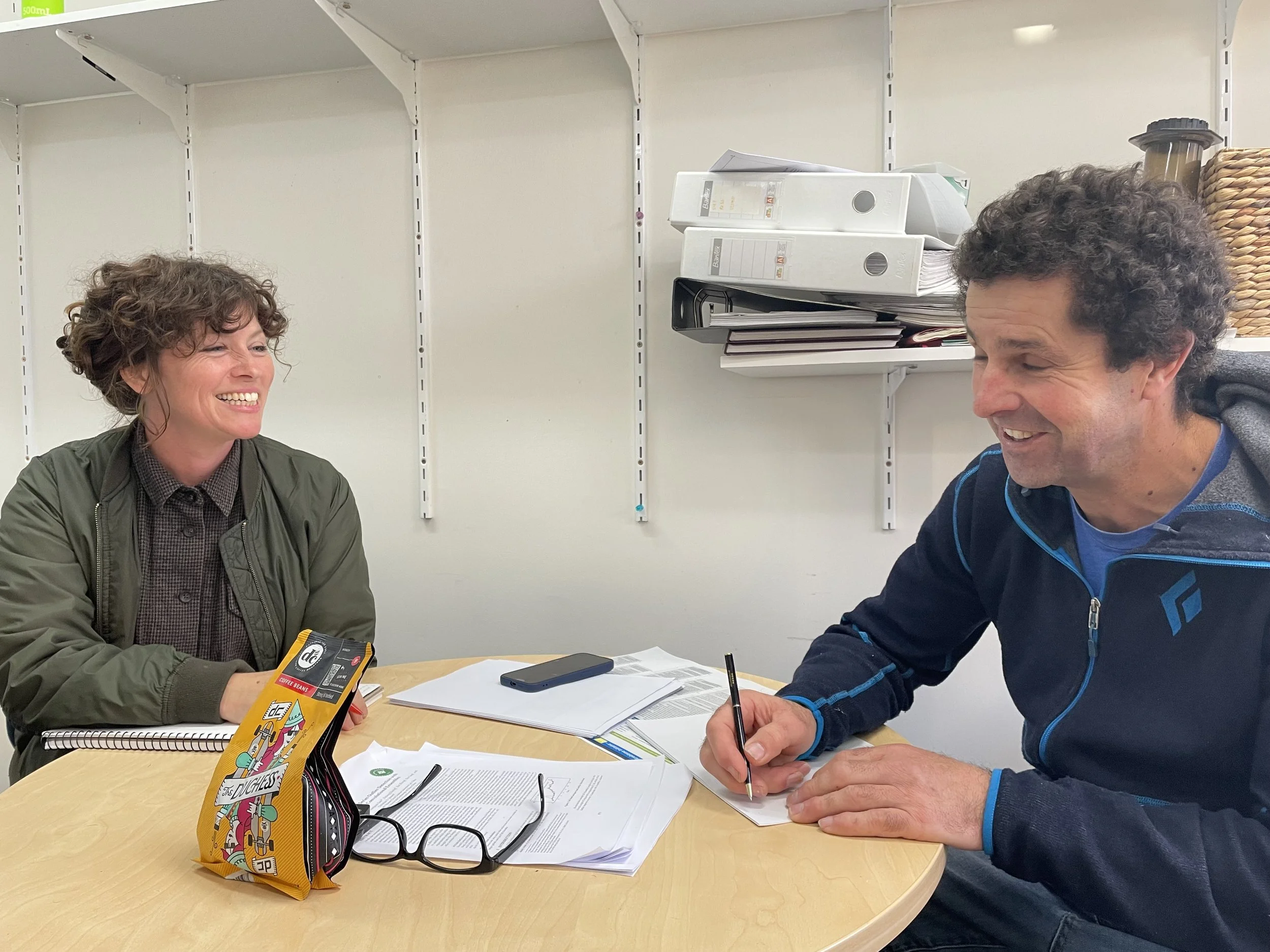
Artist Charlotte Haywood and scientific lead Dr Andrew Bissett
Integrated Marine Observing System
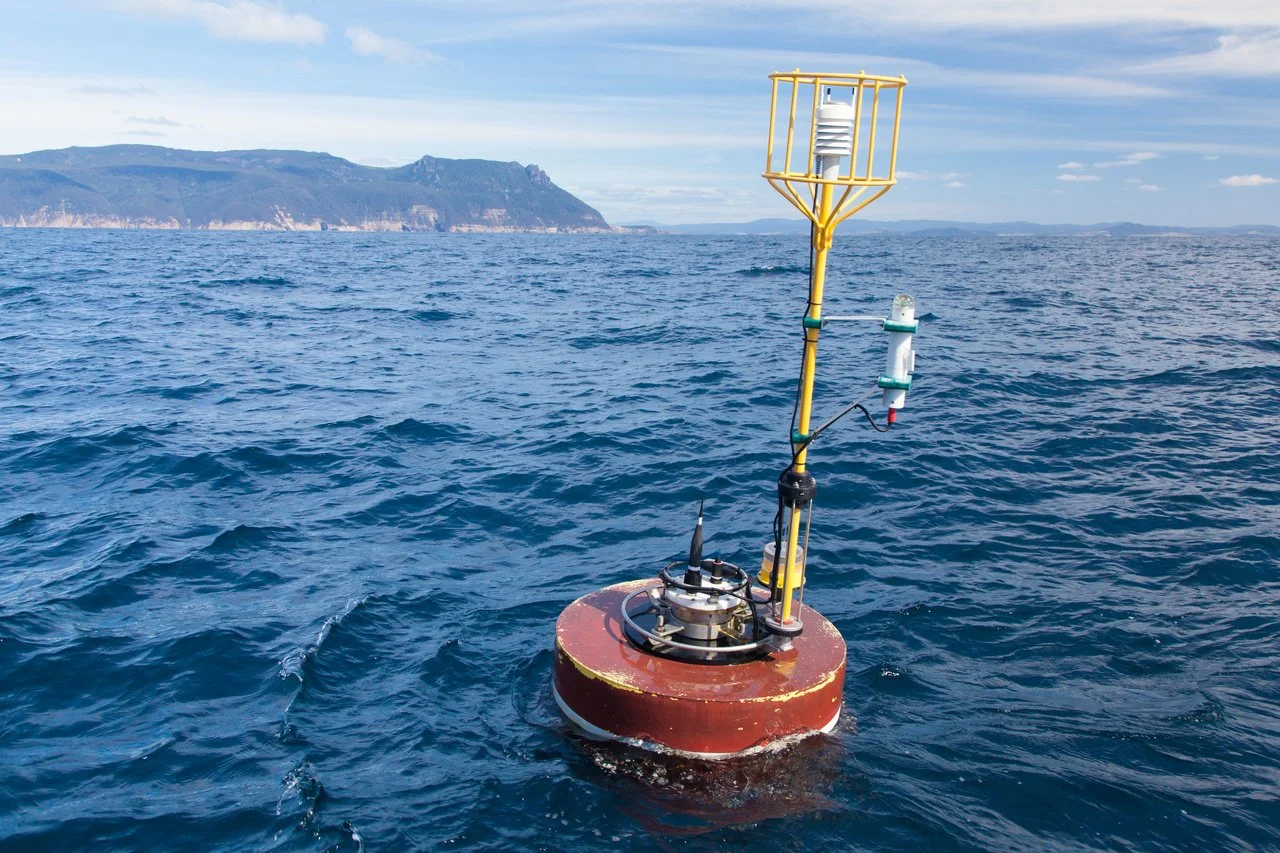
Sensors on the Maria Island mooring also measure temperature, salinity, oxygen, chlorophyll and turbidity, while water samples are taken each month for plankton and nutrients. Basic measurement samples have been collected at Maria Island by CSIRO technicians monthly since 1944, providing scientists with an enviable ocean monitoring record.
Water cycles
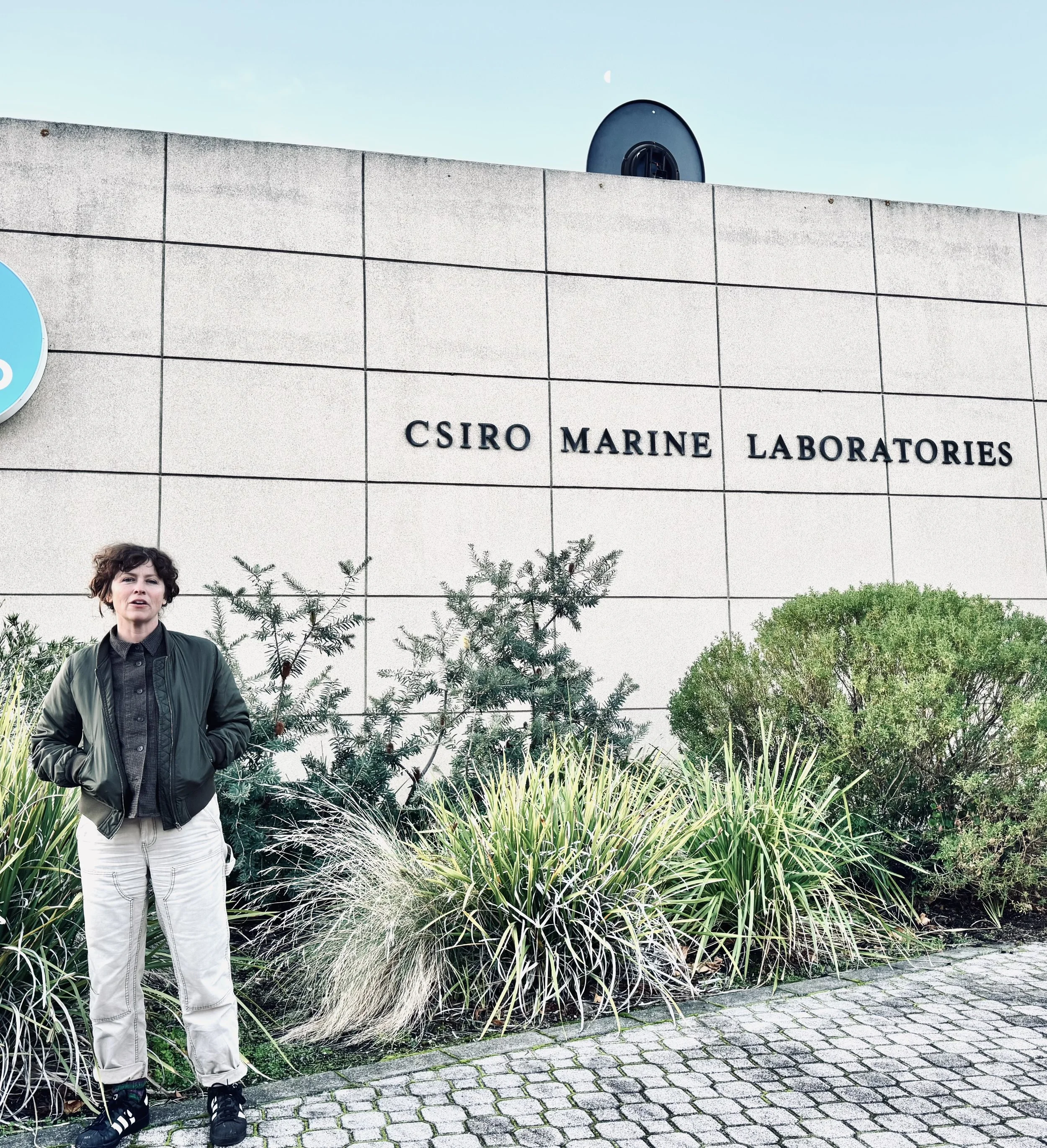
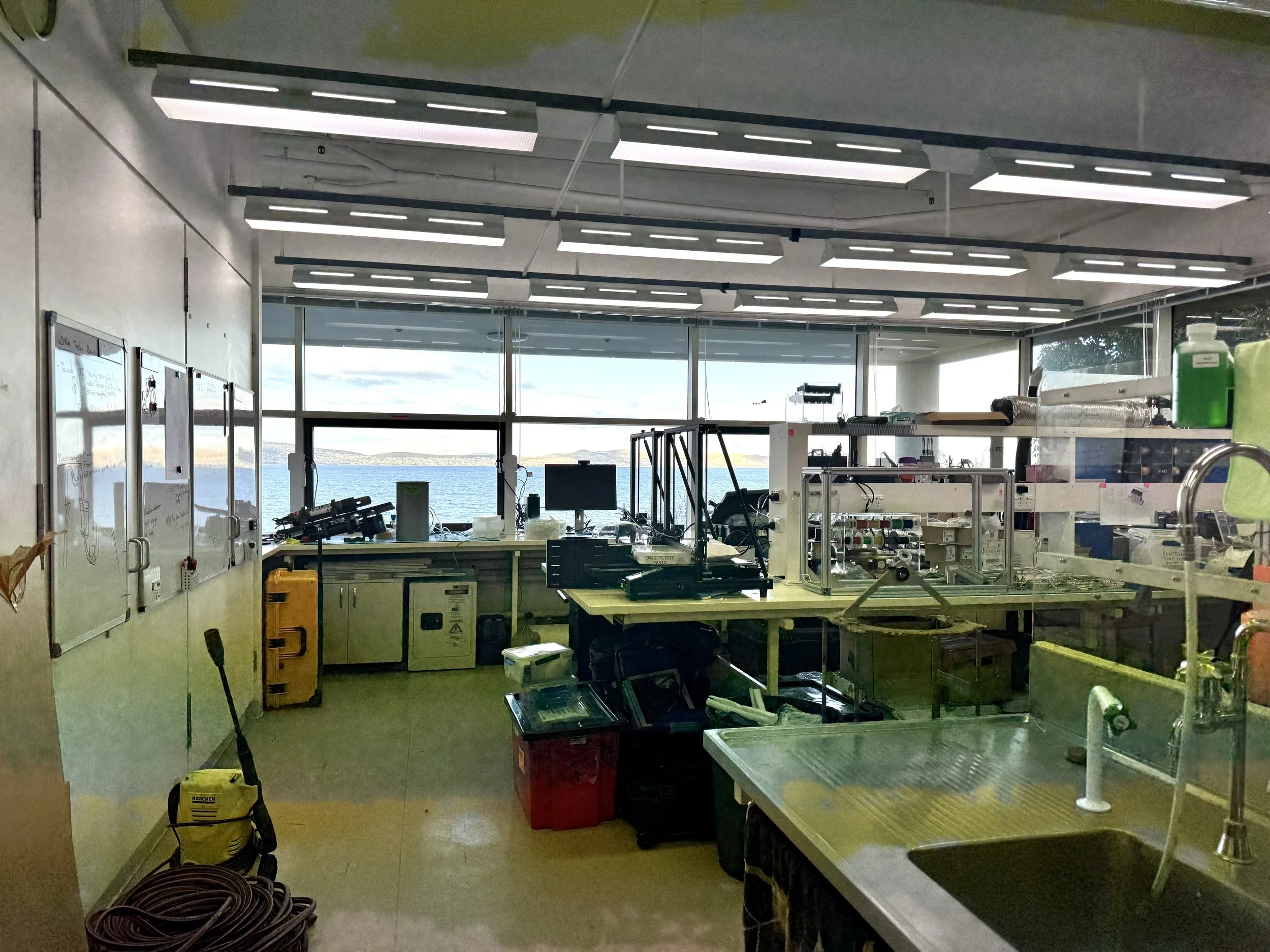
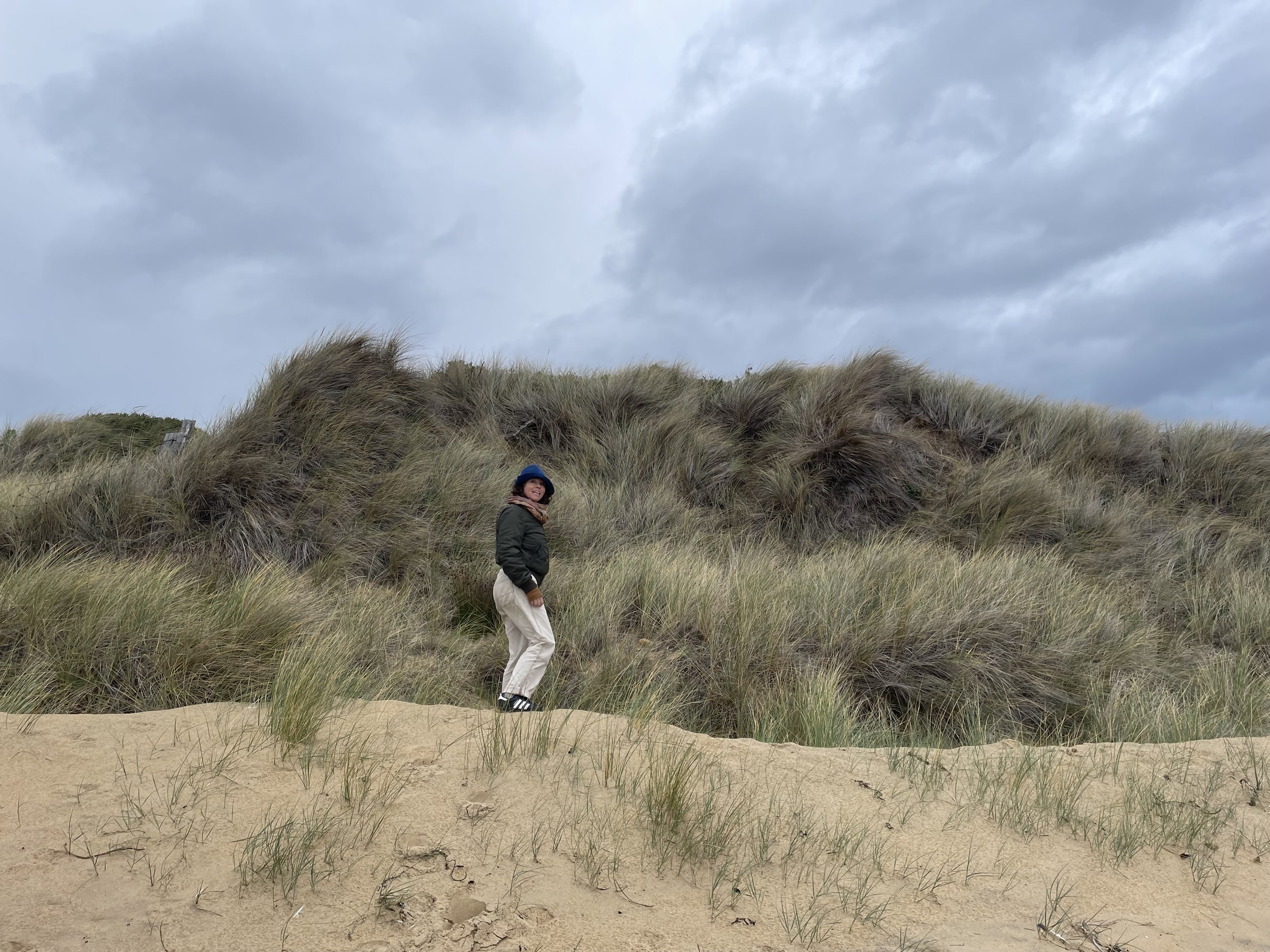
Research Station site and field recording with sonic artist/composer Sue Simpson
The Maria Island Marine Reserve, on Tasmania’s east coast (Australia), is one of the best studied Marine Protected Areas (MPAs) in the world with an ongoing reef monitoring program that commenced with the Reserve’s declaration in 1991. The Maria Island Marine Reserve is a key location for reef ecology research by scientists at The Institute for Marine and Antarctic Studies (IMAS), and in collaboration with divers from the Reef Life Survey (RLS). The reserve protects a representative range of marine habitats found on Tasmania’s east coast, including seagrass, sand bottoms, and reefs with a range of rock types (dolerite, siltstone, sandstone, and limestone) and wave exposures (from sheltered to fully exposed). The Maria Island Marine Reserve provides extensive conservation and research value as it protects a wide range of species found in these habitats. MarineGEO research at Maria island focuses mainly on rocky reef and seagrass habitats.
Passes through the soil biota over and over again.
Maria Island (42.597 S 148.233 E) is one of seven National Reference Stations (NRS) that comprise the Australian Integrated Marine Observing System s (IMOS). The NRSs are designed to provide regular baseline information to understand how large-scale, long-term change and variability in the global ocean are affecting Australia s coastal ecosystems. The goal is to develop multi-decadal time series of the physical and biogeochemical properties of Australia s coastal seas, informing research into ocean change, climate variability, ocean circulation and ecosystem responses. The Maria Island NRS is sited at an historical mooring operating since 1944 where ocean temperatures are rising faster than anywhere else in Australia due to the increasing incursion of the East Australian Current. This dataset contains seasonal data on zooplankton biomass and species composition collected since April 2009 using a 100 micron mesh drop-net deployed to 80 metres. The corresponding biogeochemical datasets include temperature, salinity, nutrients, Chlorophyll and phytoplankton abundance are available through the IMOS portal.
These data from the Australian Continuous Plankton Recorder (AusCPR) survey and the Australia National Mooring Network (ANMN), both part of the Integrated Marine Observing System (IMOS) - IMOS is supported by the Australian Government through the National Collaborative Research Infrastructure Strategy and the Super Science Initiative.
Maria Island Coastal Station Data 1944-
Australian Ocean Data Network
This dataset contains a time-series of oceanographic data collected at the 50m coastal station off Maria Island, Tasmania (lat. 42 deg. 36 min. S, long. 148 deg. 14 min. E). The station was set up under the CSIRO Coastal Monitoring Programme in the 1940s. Sampling is undertaken at intervals of one to several weeks from October 1944 and is sampled for temperature and salinity at depths of 0, 10, 20, 30, 40 and 50m below the surface. Nitrate, silicate, phosphate and dissolved oxygen have also been sampled but not for every sampling, please refer to data completeness for further details. Since April 2009 the sampling has become part of the IMOS program. The current sampling regime is approximately monthly for 11 or 12 months per year.
TIME
-Different- Unseen- Stretched- Elastic
Chemical transformation
DNA exchange
Three-Dimensional Structural View of the Central Metabolic Network of Thermotoga maritima
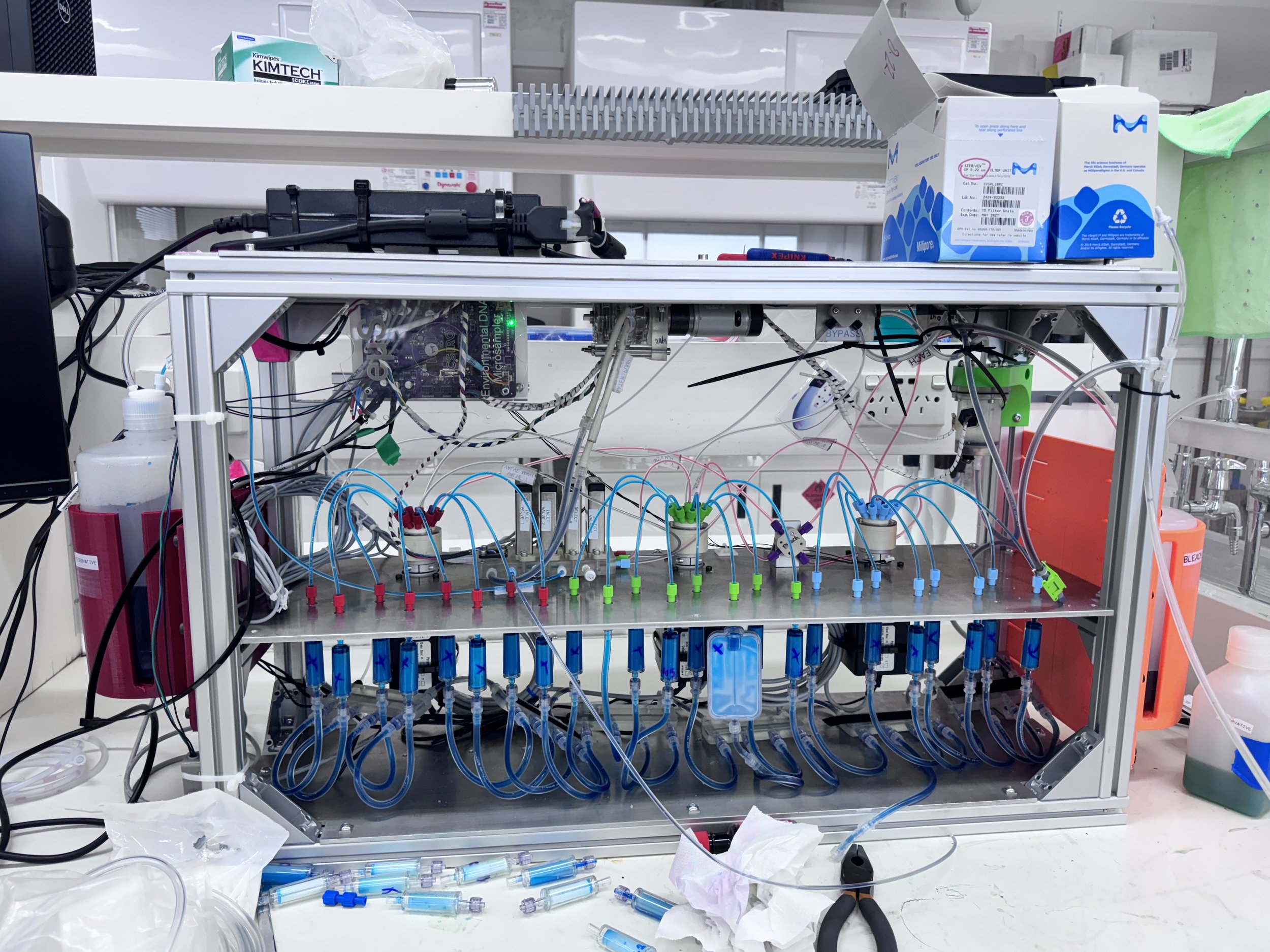
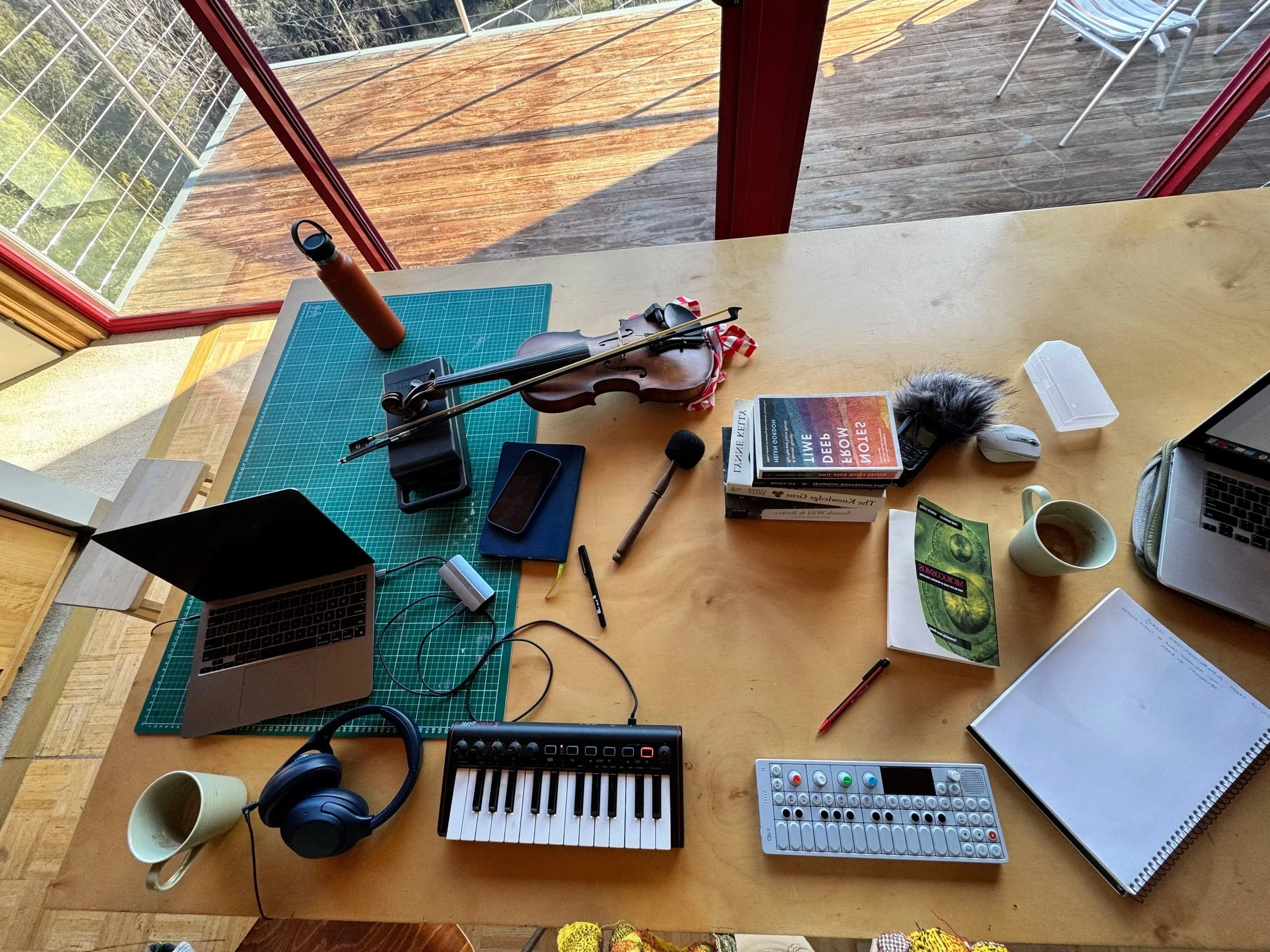
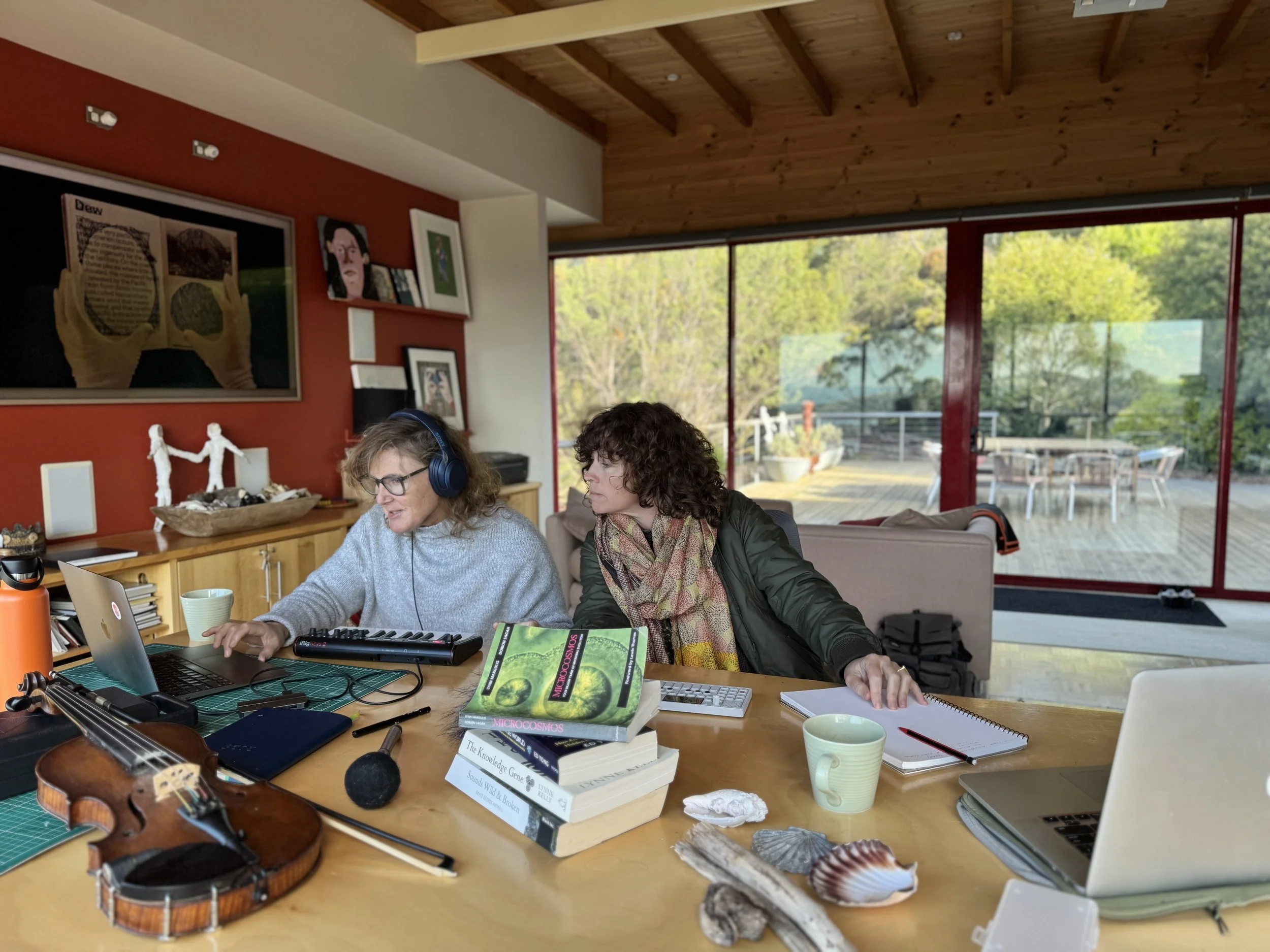
Experimentation and sonic creation with sonic artist/composer Sue Simpson
in unison.