








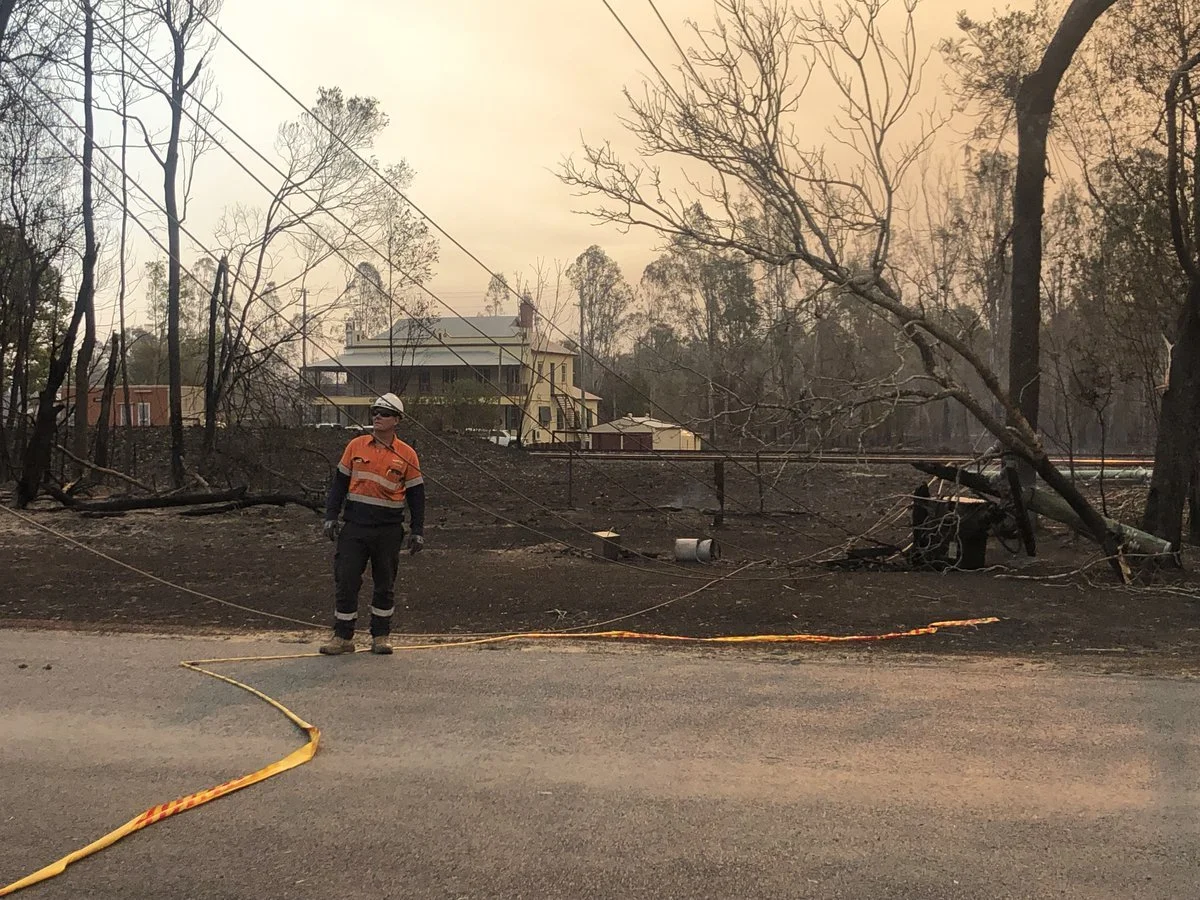
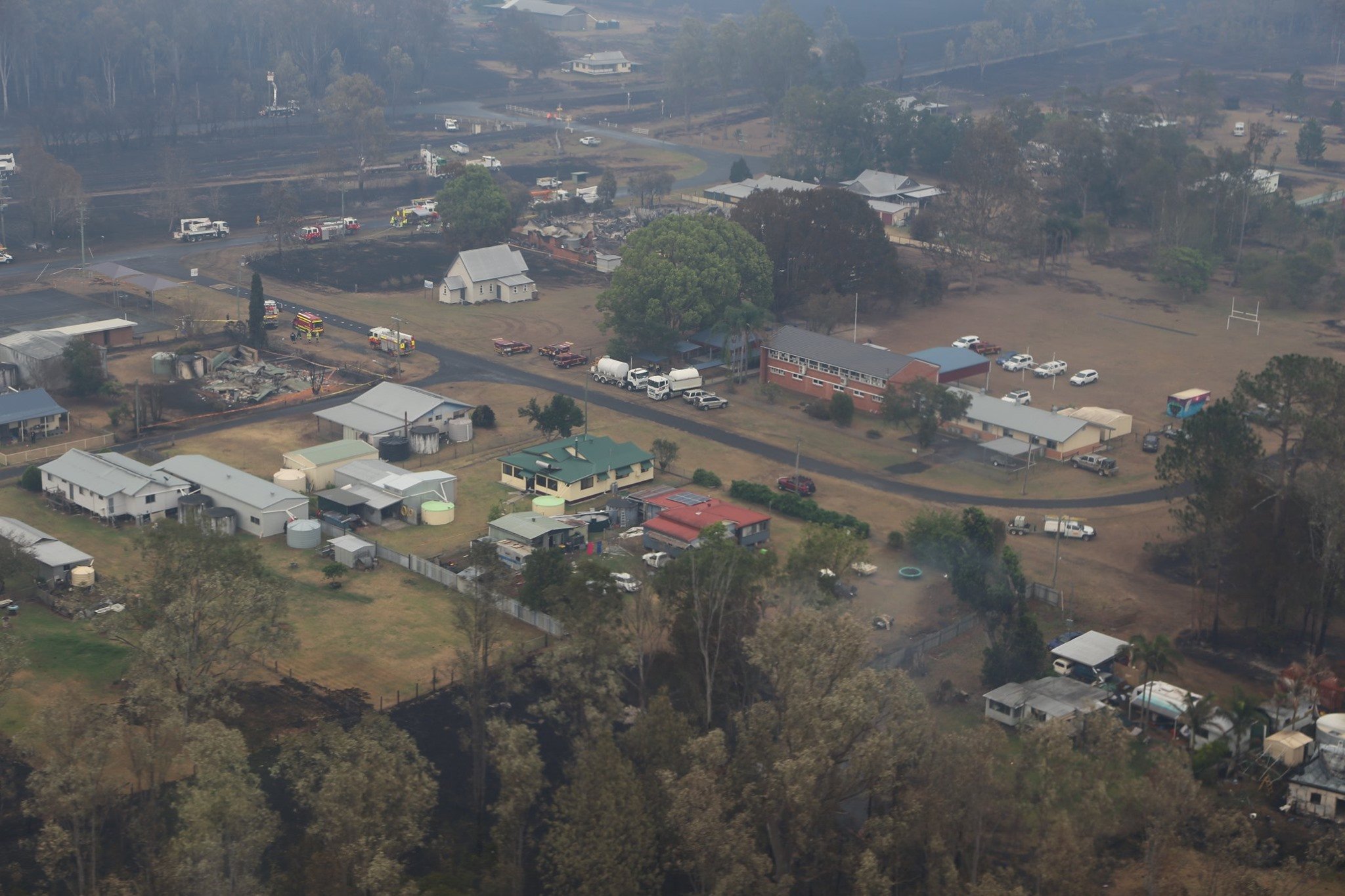

A creative recovery project of site-specific gifting and ecological restoration for the village of Rappville, a Richmond Valley Community devastated by the fires of 2019. This project was commissioned by Arts Northern Rivers, CREATE NSW, Richmond Valley Council.
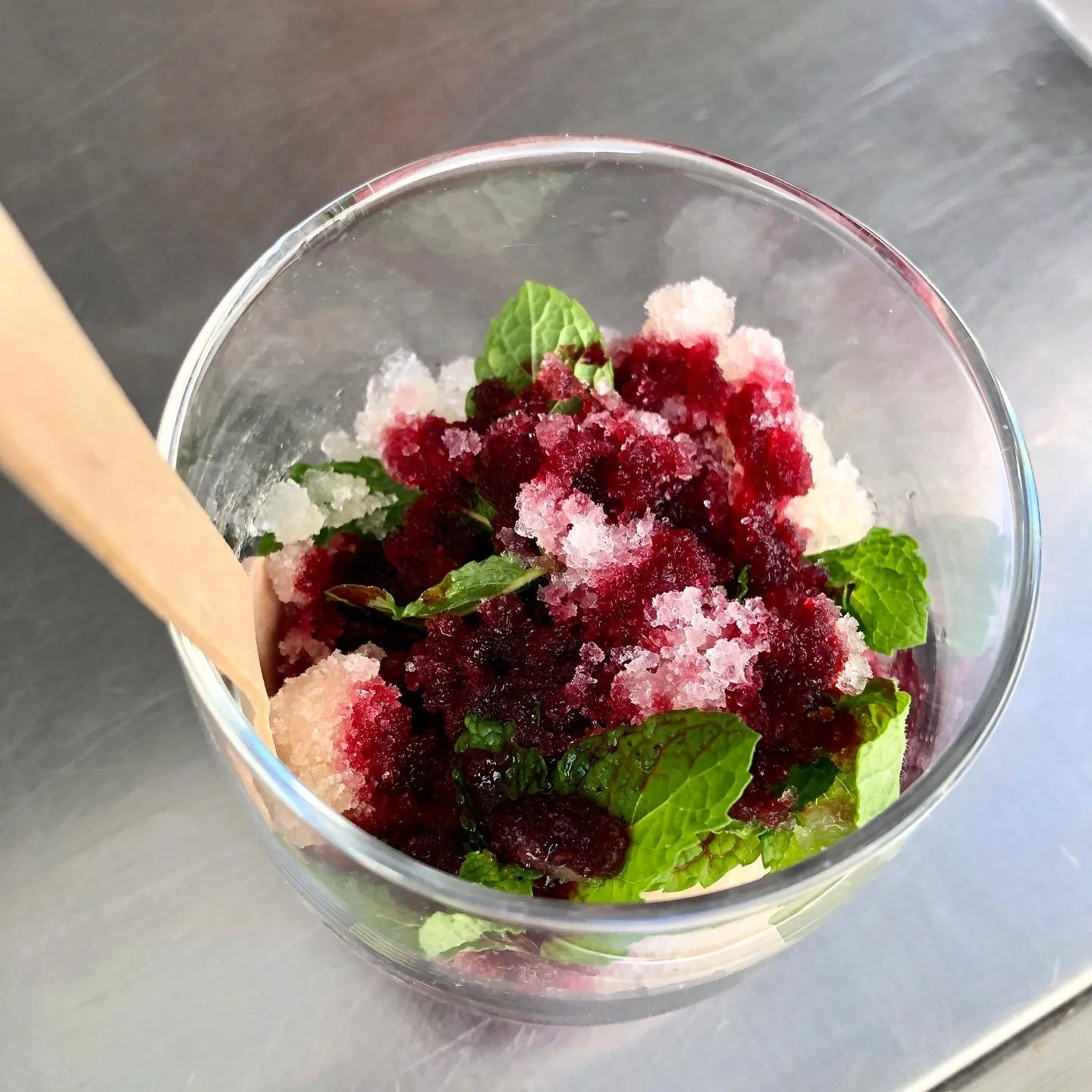
Rapp-berry Delight Ice Cream Flavour
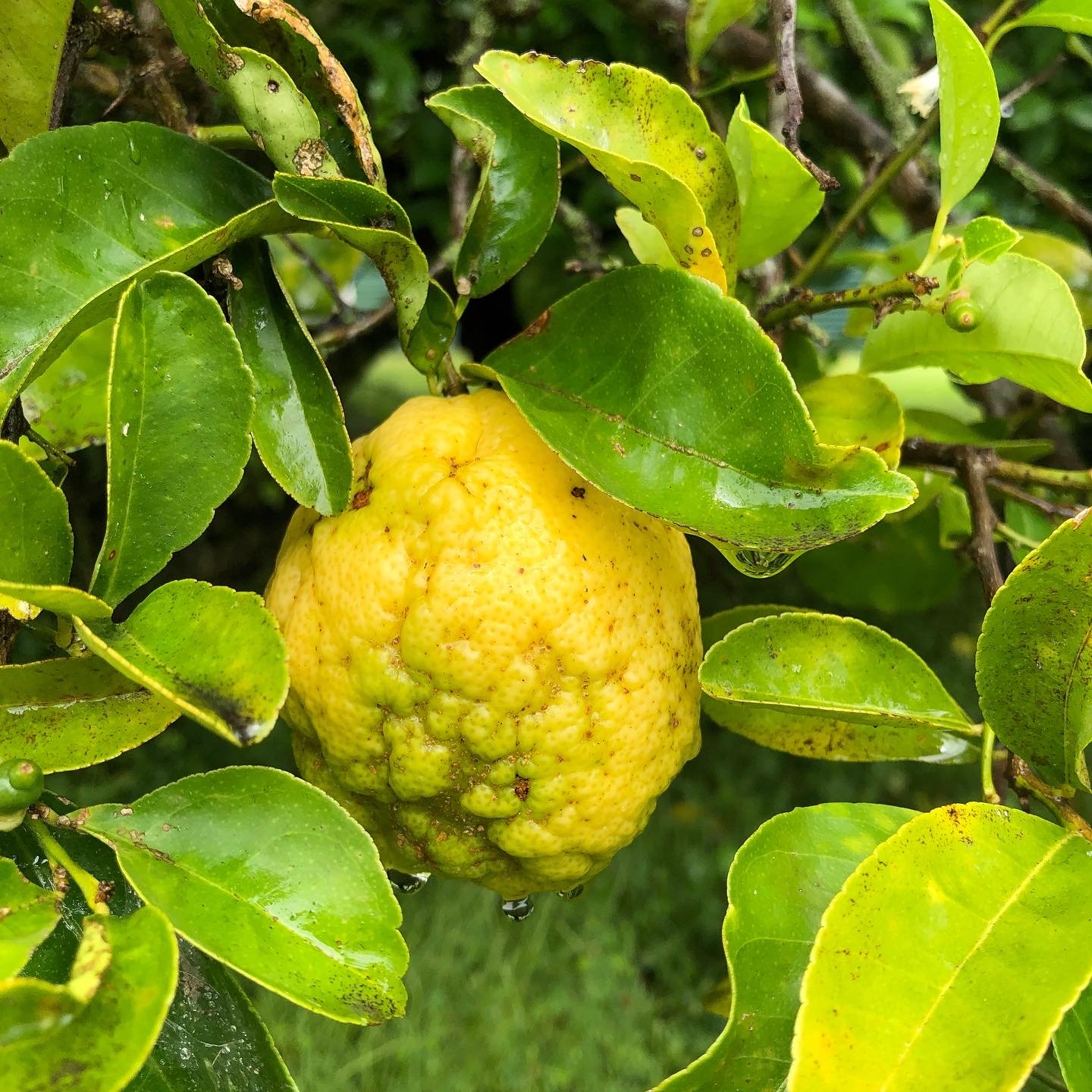
Ice cream inspiration was gathered through local narratives and historical recipes. Ingredients including bush honey, lemon myrtle, bush lemon and mulberries were seasonally collected from Rappville gardens and local surrounds. Wal Foster of Natural Ice Cream Australia, who experienced the Nymboida bushfires of 2019 was a collaborator in creating the Rapp-berry Delight. The Rapp-berry Delight Ice-Cream flavour was created as a DIY video tutorial, make at home recipe included in the Rappville Community Cookbook with an accompanying site-specific musical score, the Rapp-berry Ditty.
Do you think art can be healing?
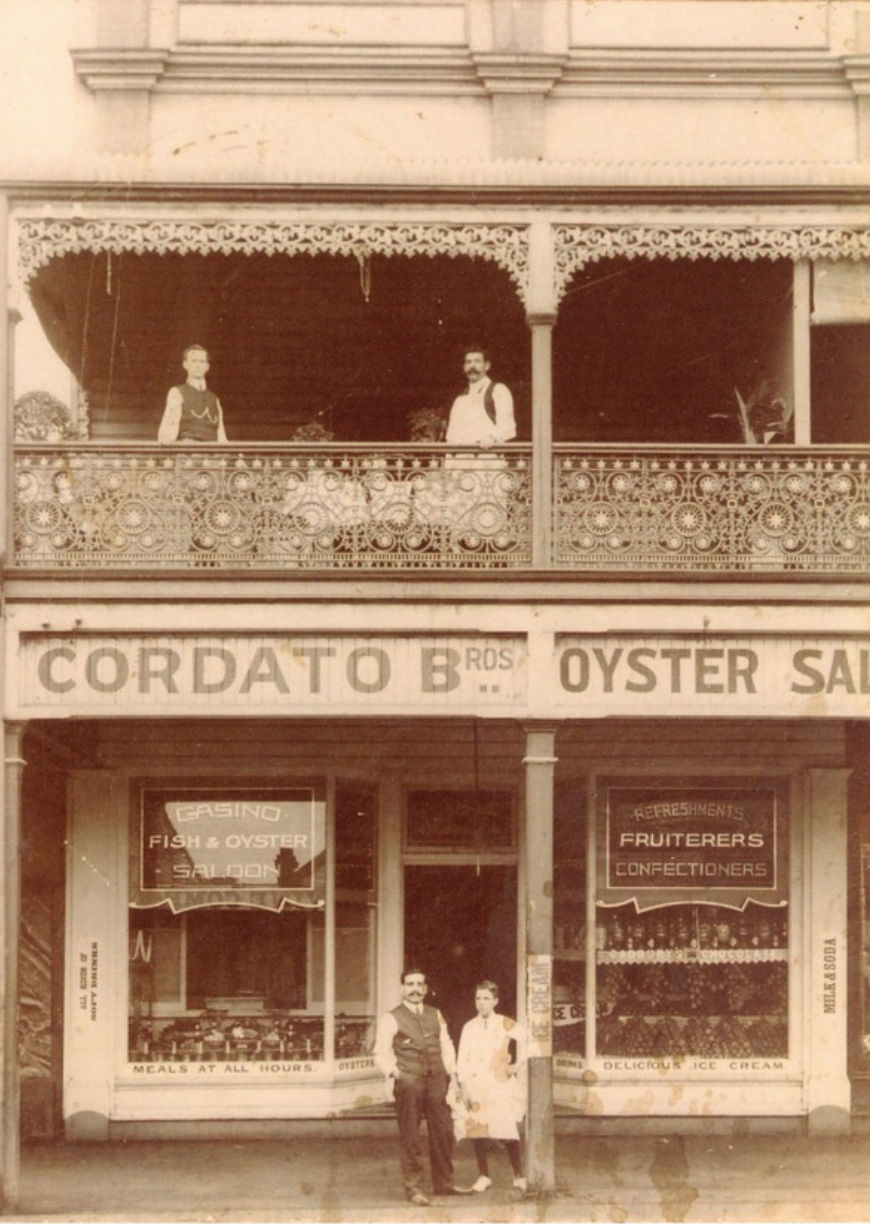
Rappville Creative also included the participation of artist Lyndall Phelps who recreated a historical tablecloth indicative of the village, collaborated with local bush poet Steve Cavenagh and created historical photo banners and community photographic exhibition.
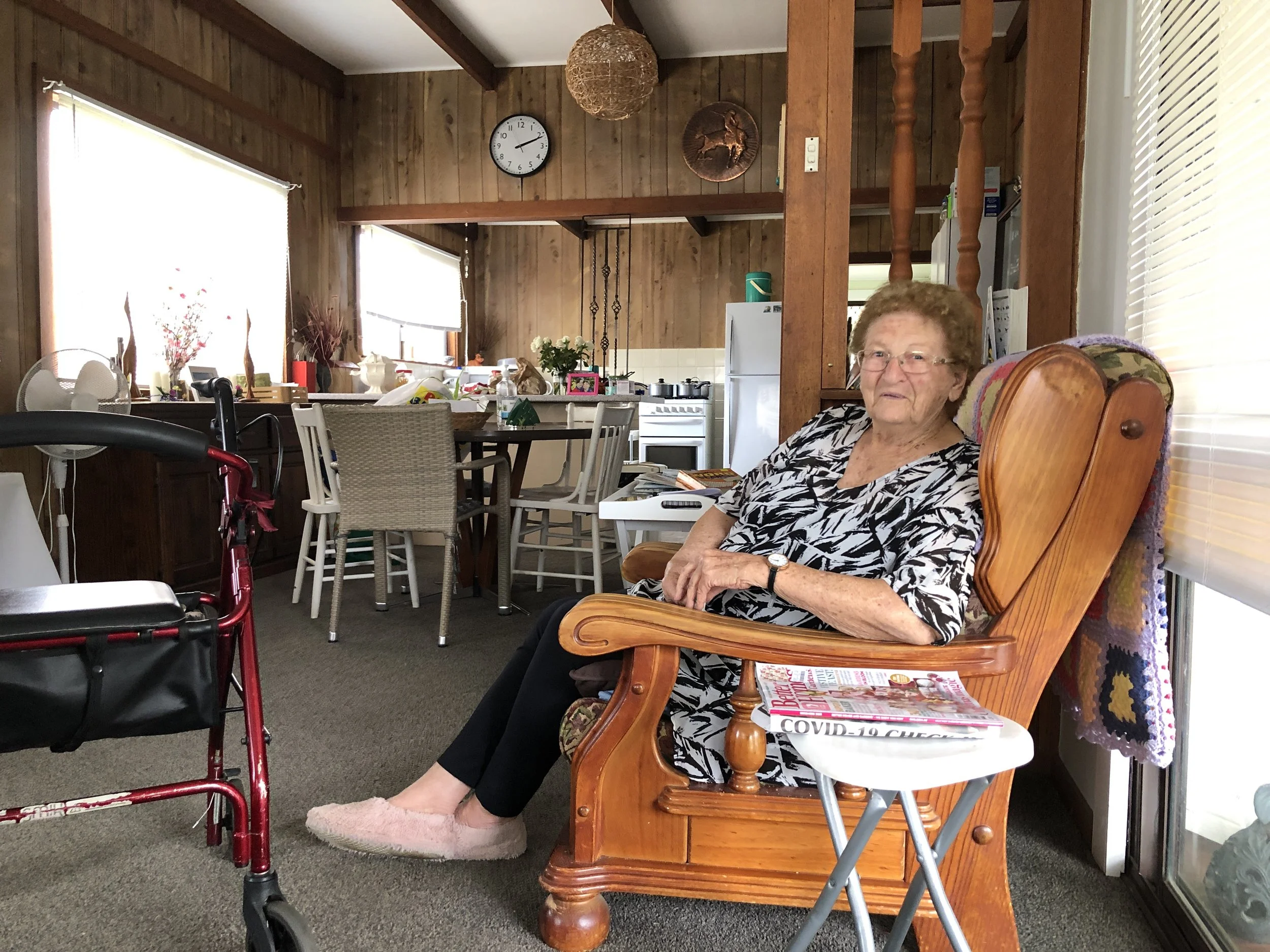
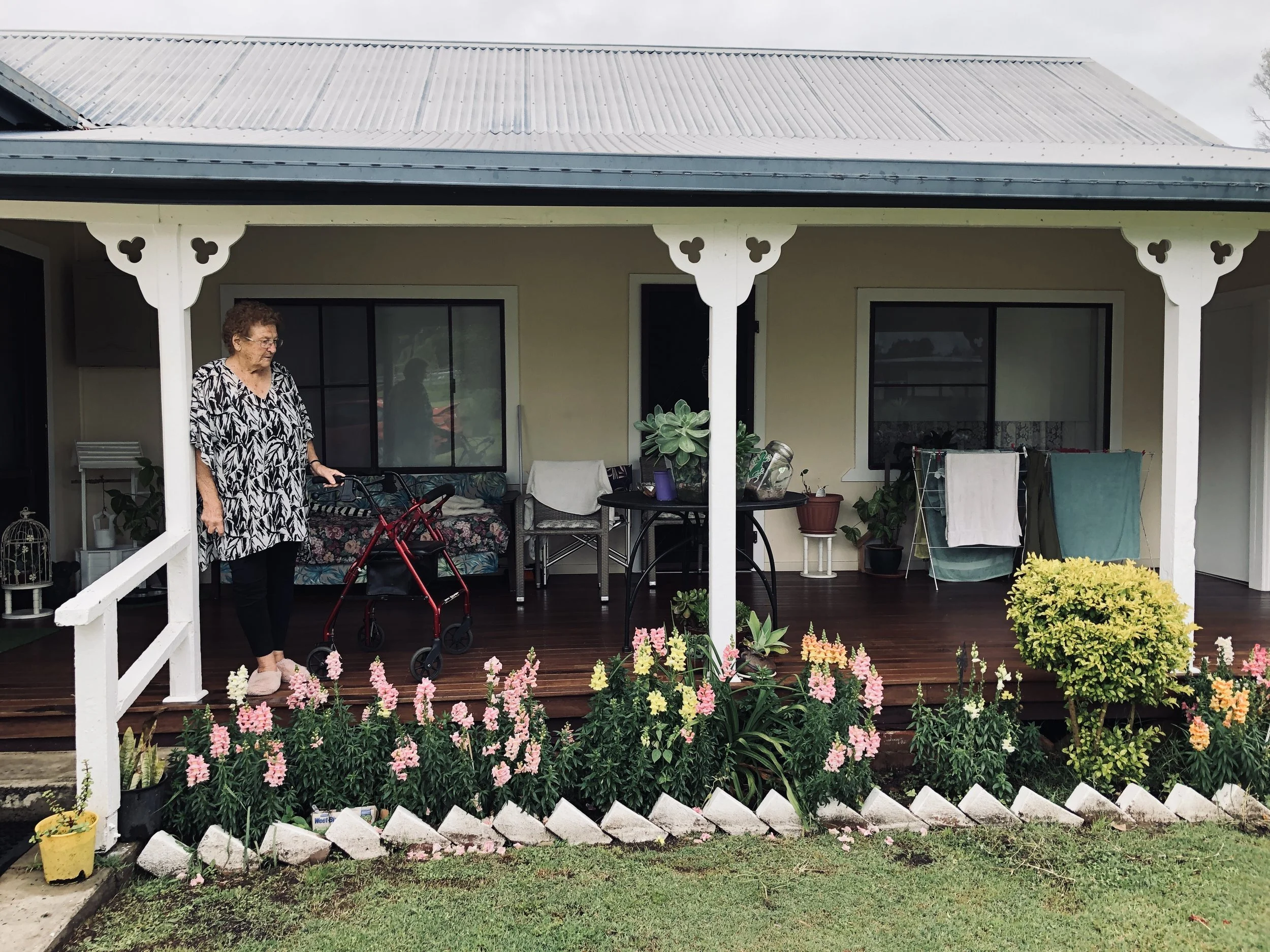
Long time local resident and keen baker. We had great discussions about how Molly had baked beautiful cakes for all sorts of occasions in the village, from birthdays, engagements and weddings.
Listening to the stories from community members about their family ties and history to Rappville.
Were held mainly at the pub.
An informal place and chance to meet, get to know each other, share stories and spend time.
Engagement postcards
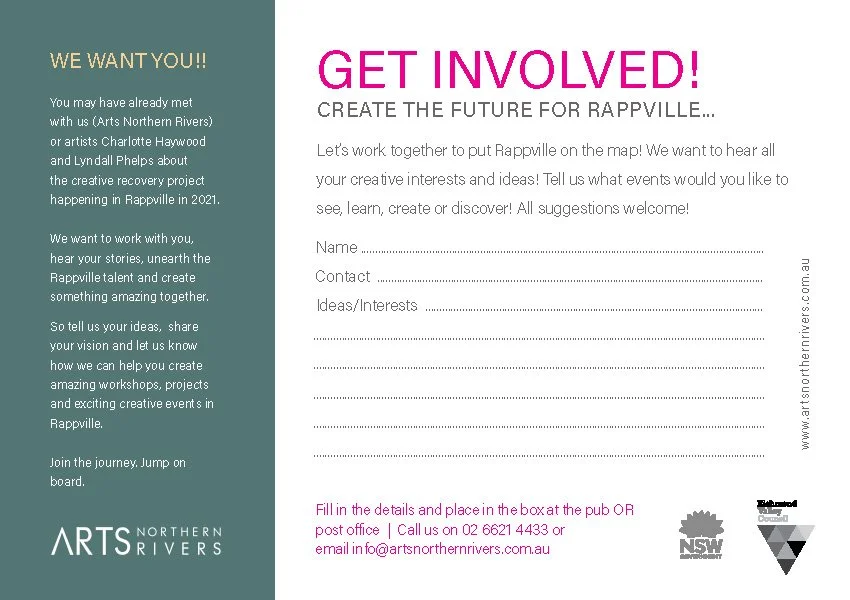
Post cards, social media, phone calls and emails were used to invite the community to be a part of the project. Community “letterboxes” were set up in the pub and the post office.
As COVID restrictions were often denying face to face engagement, and also making sure we could reach all the members of the community.
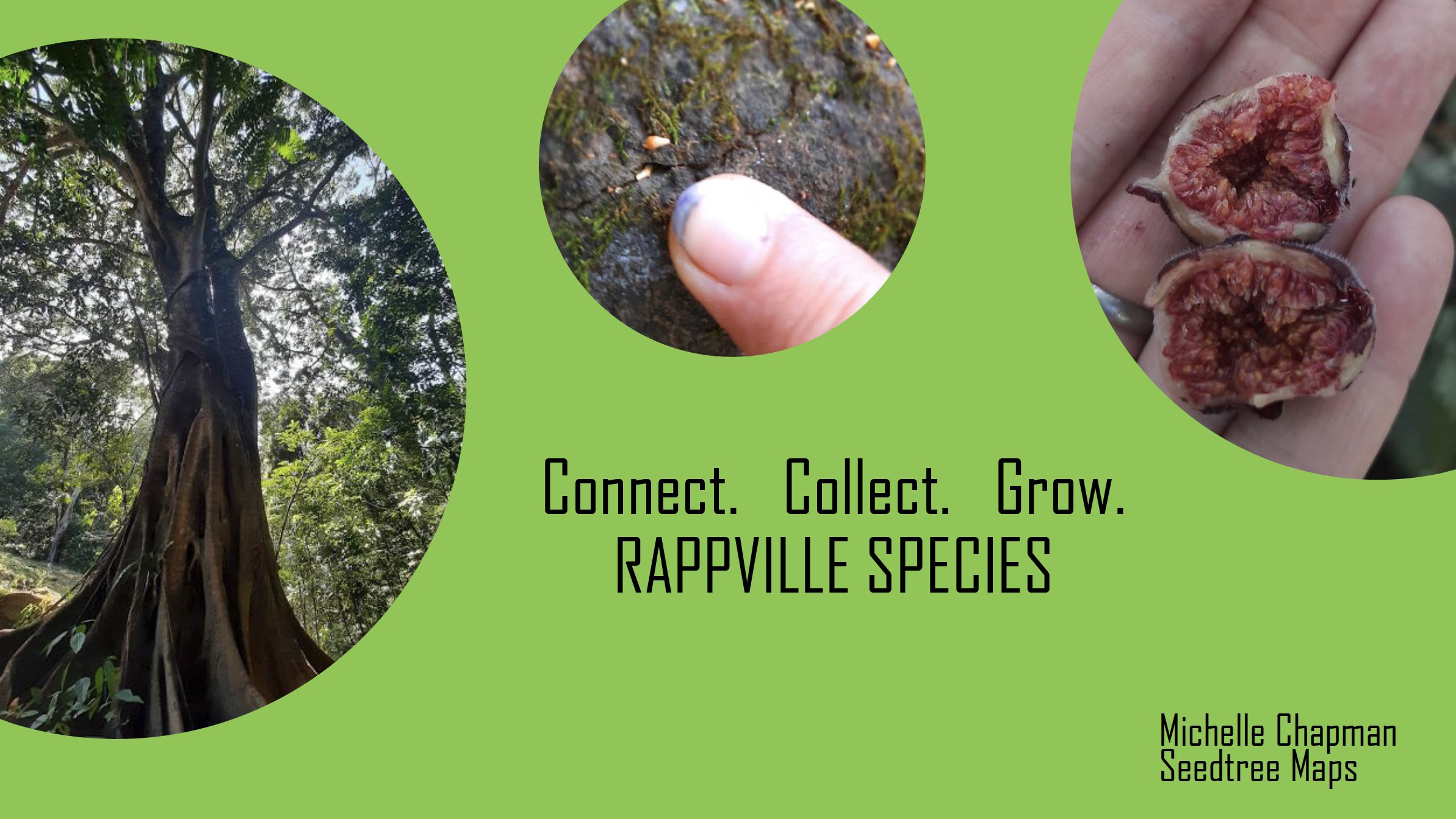
By Michelle Chapman from Seedtree Maps
A site-specific Rappville native riparian species identification and uses workshop and booklet for creating ecological corridors and joy through the senses for multi-species.
Site-specific native plants for ecological restoration, food/flavour, habitat, amenity and joy
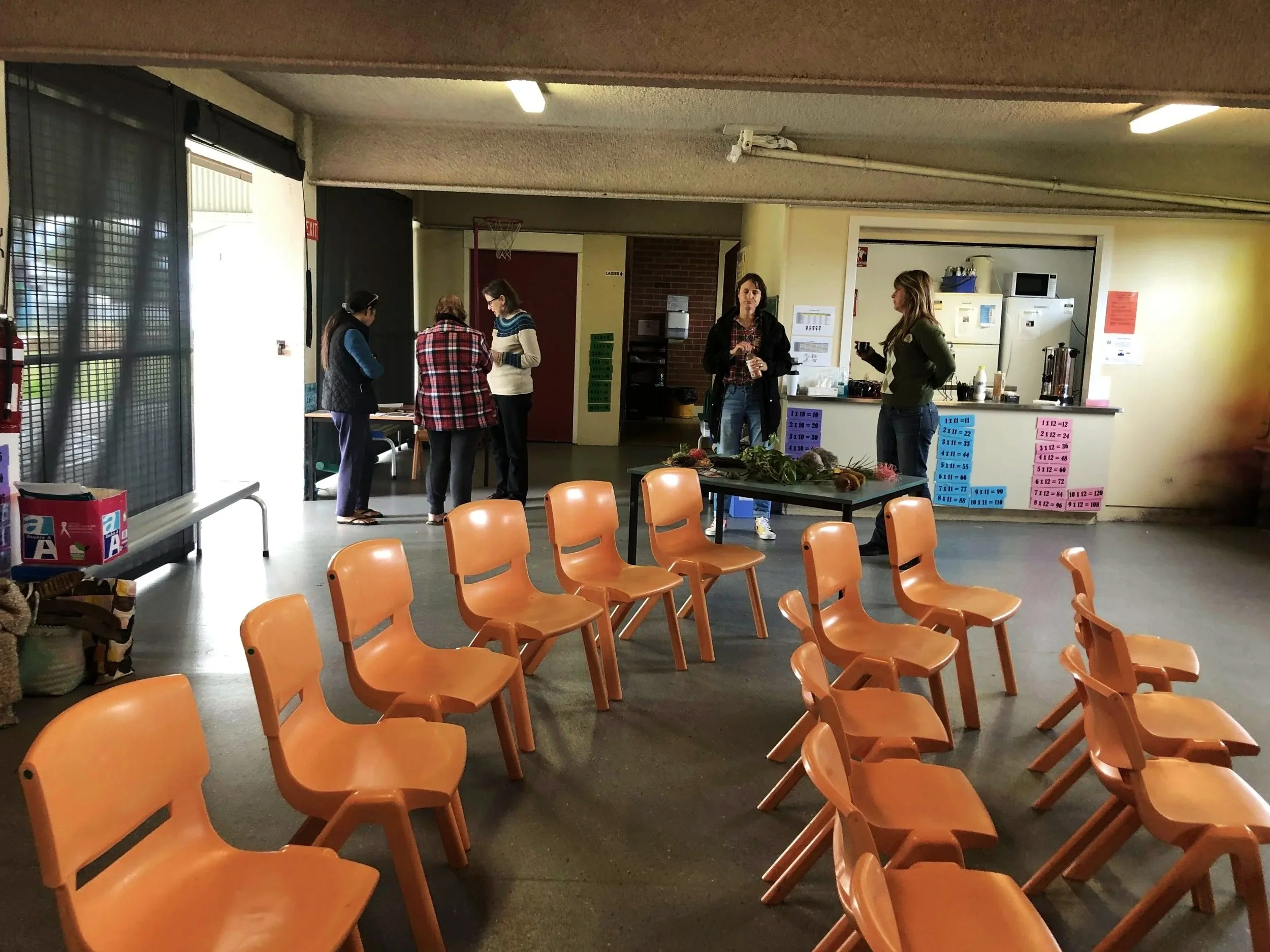
This was initiated with a workshop with Michelle Chapman, to identify, connect and collect local botanical species through a presentation, multi sensory activities with botanical species and community members to connect with the plants and each other.
Research gathered from the Rappville community, botanical knowledge holders of the area (Mark Dumphy- Firewheel Nursery, Gordon Watershed- Ngulingah Nursery, Lismore Rainforest Botanic Gardens references, Rous Guide to Riparian Restoration, Australian Rainforest Seeds (Chapman, M et al 2020), Rainforest Trees of South East Australia (Floyd, A, 2008)
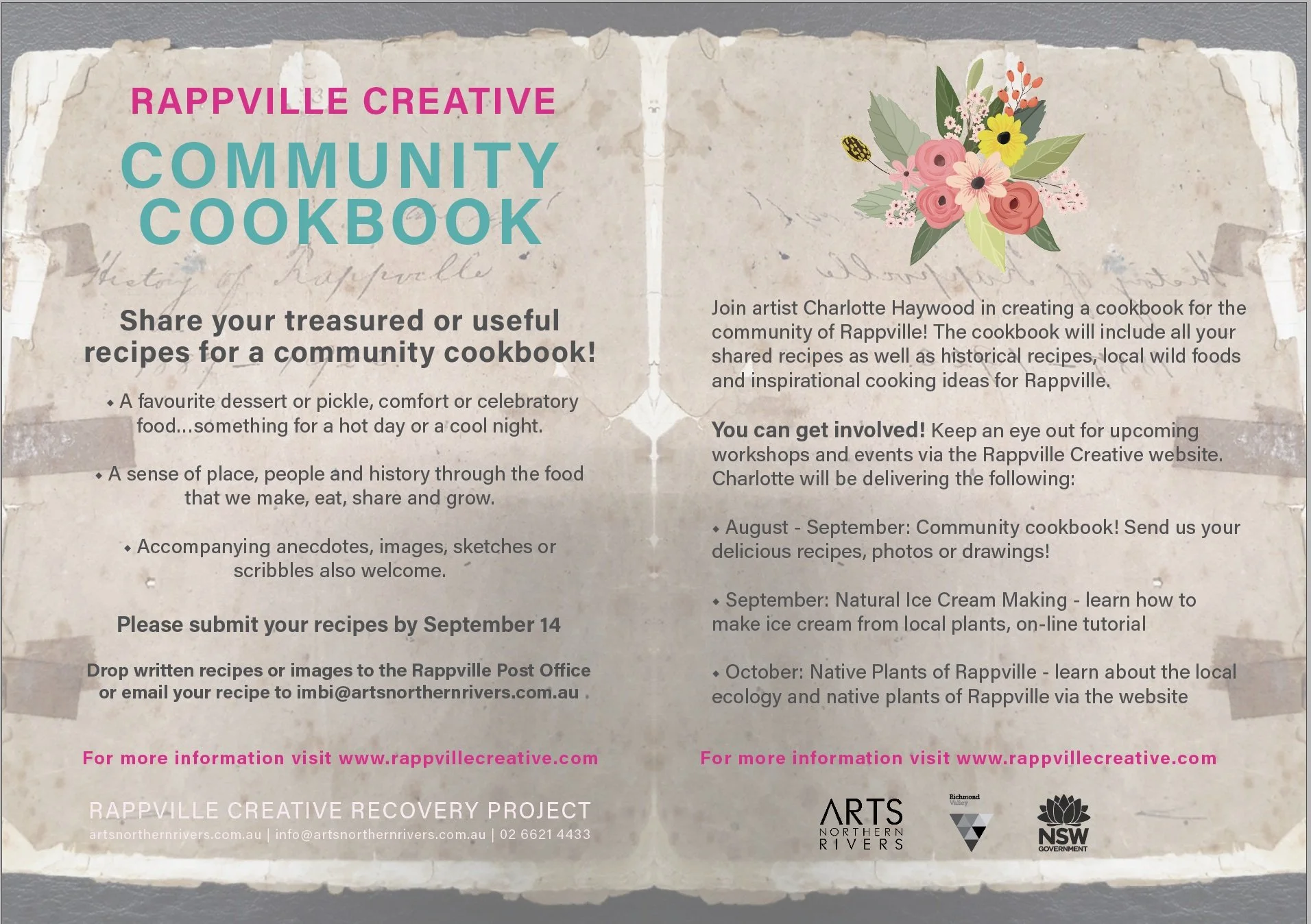
Social media, posters and flyers were used to get the community excited about contributing to the community cookbook and looking back to historical recipes of Rappville.
Whilst workshops in Ice-cream making and native plants were offered in person and online. (The original website was hosted by Arts Northern Rivers, however it has been archived/lost : (
at Rappville Primary School
Collecting ingredients and ideas from the backyards of Rappville. This involved visiting different community members backyards, with great discussions about the uses and care for these surviving plants post bushfires.
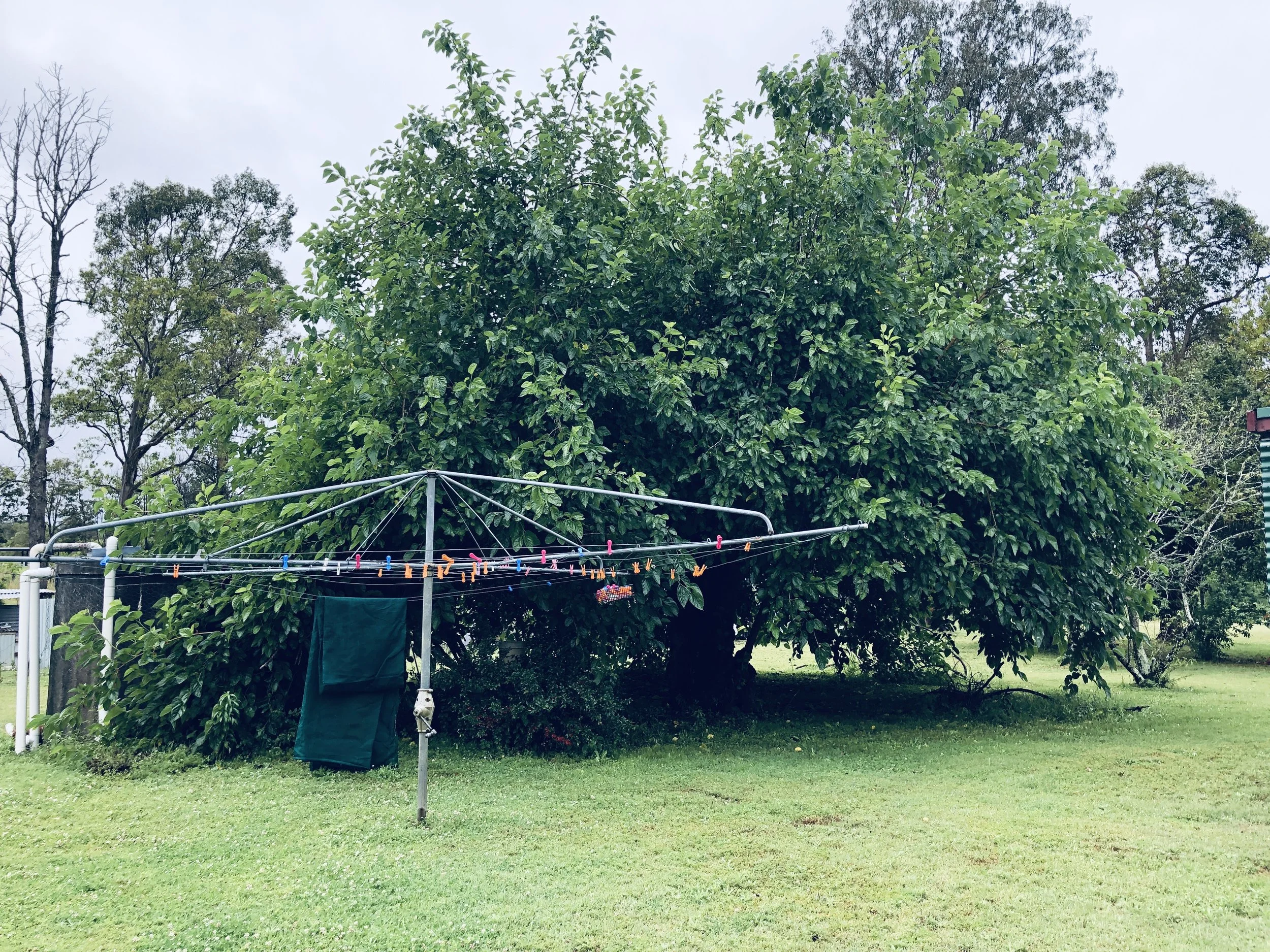
Deb Babb who lives in the village picked the mulberries that were used to create a unique Rappville ice cream.
Using sound bites and field recordings from Rappville visits and community interviews, a 10 minute site specific ambient ice cream sound track was created in collaboration with musician Sue Simpson. The classic and very nostalgic ice cream tune of Green Sleeves was deconstructed and reworked to create something that represented Rappville.
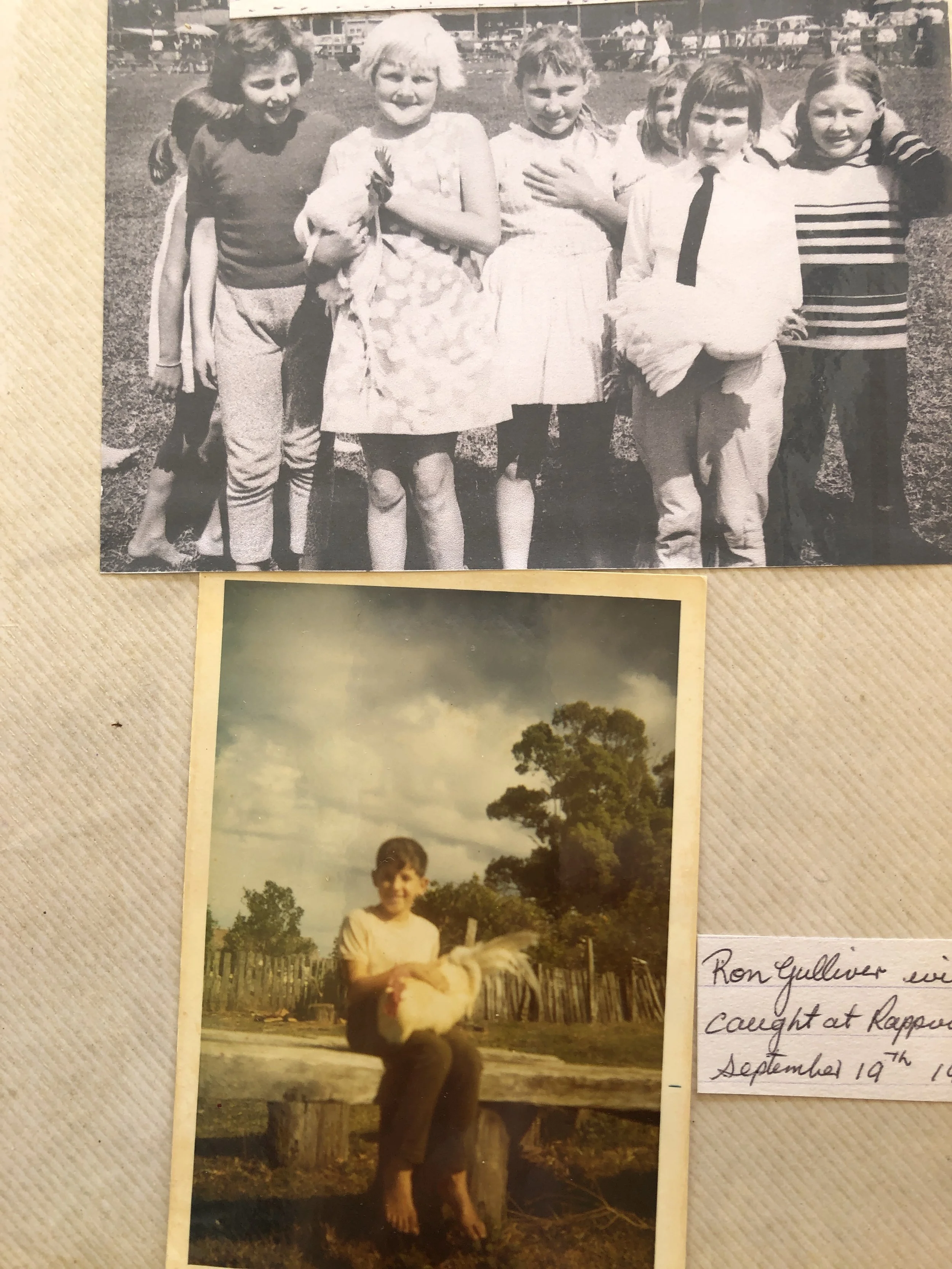
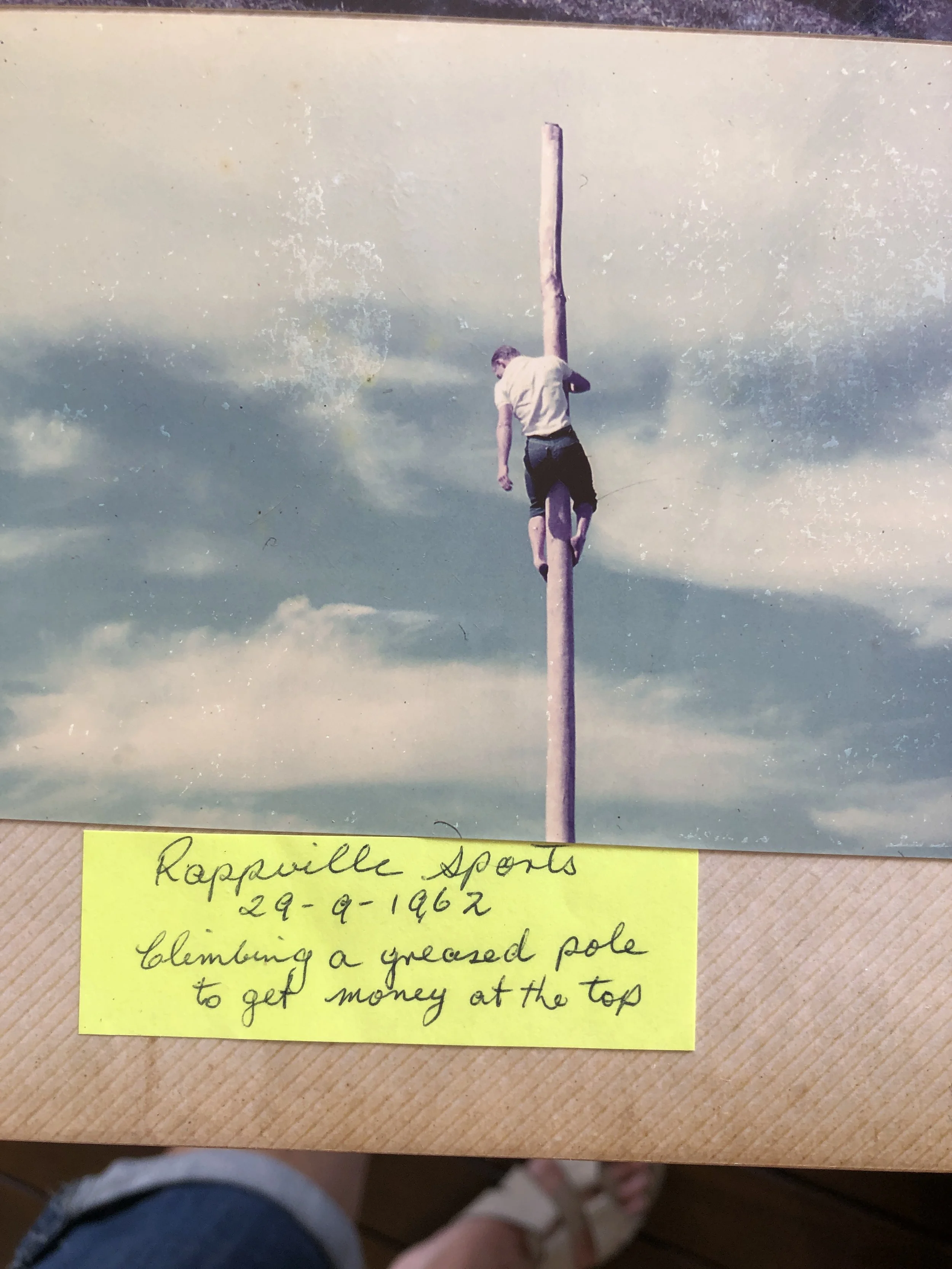
A community of timber, a mill, a pub, and a hall that burnt down. Interviews with Dave Newby, Molly McLennan, June Gulliver.
(Site-specific ice cream that Wal Foster and Charlotte developed for the bush fire-affected community of Rappville, NSW.)
The closest beehives were Reg Crouch’s the “honey Man” in Casino. A hot tip that the “honey man” had beehives set up at various locations to collect the different flavours of the flowers, trees and forests.
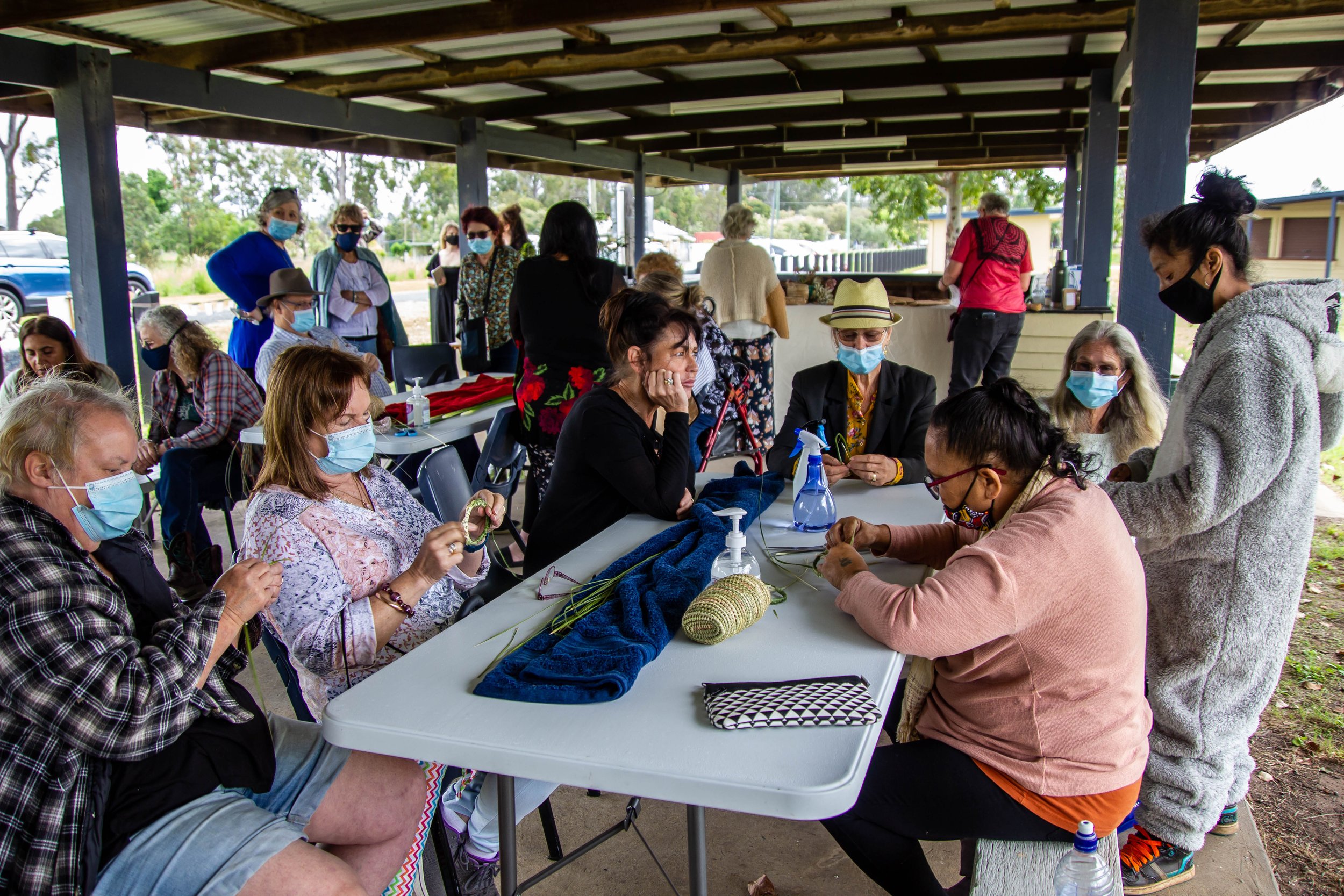
Learning to weave with local Bundjalung women weavers, Casino Wake Up Time (CWUT) and local plants like lomandra and buckie rush.
It was a great day of sharing knowledge on plants, craft and laughter.
Sharing laughs and insights.
Booklet available here.
Created during COVID restrictions, where face to face workshops were limited.
When access to Rappville community was limited due to COVID.
A pride and joy!
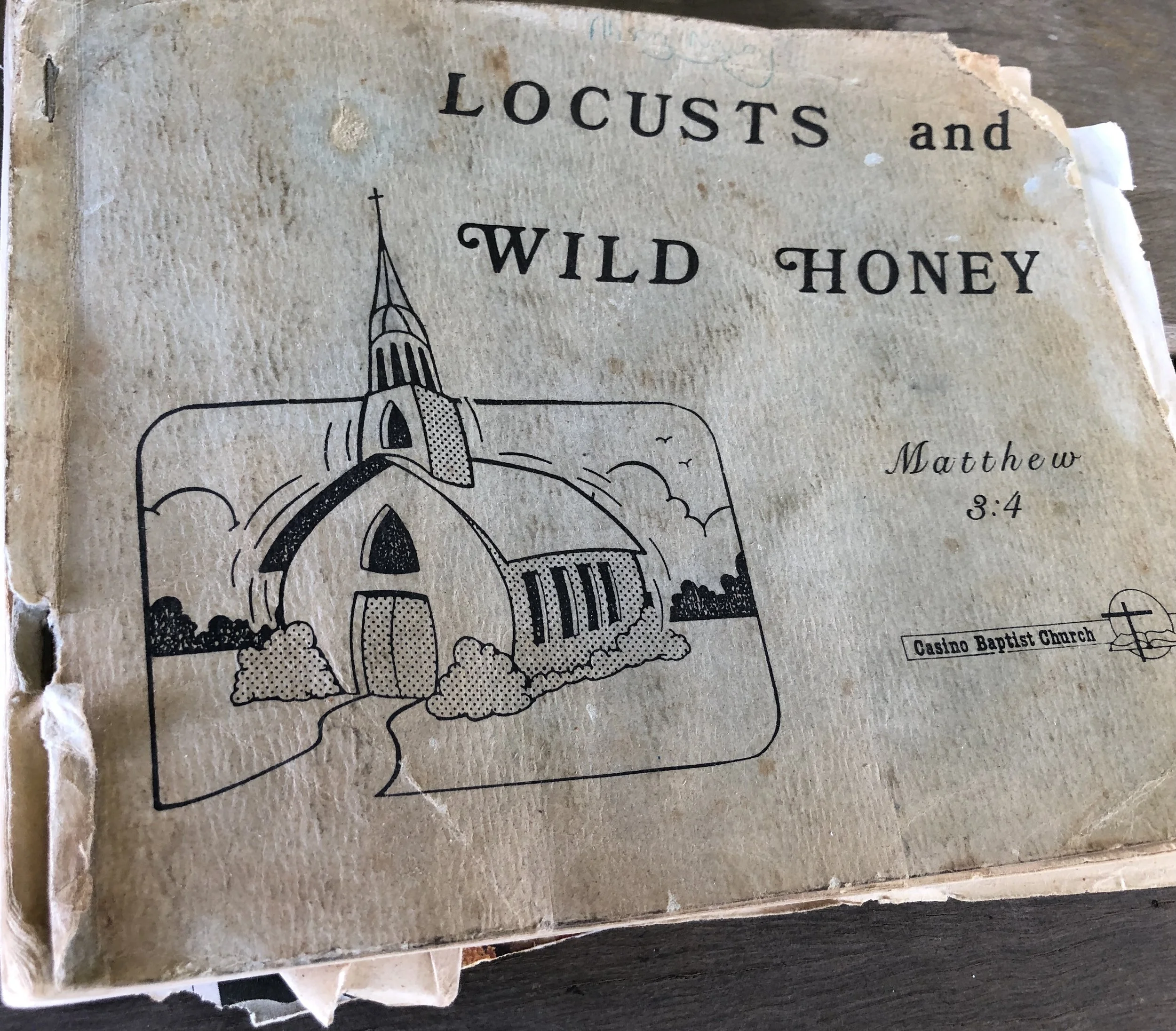
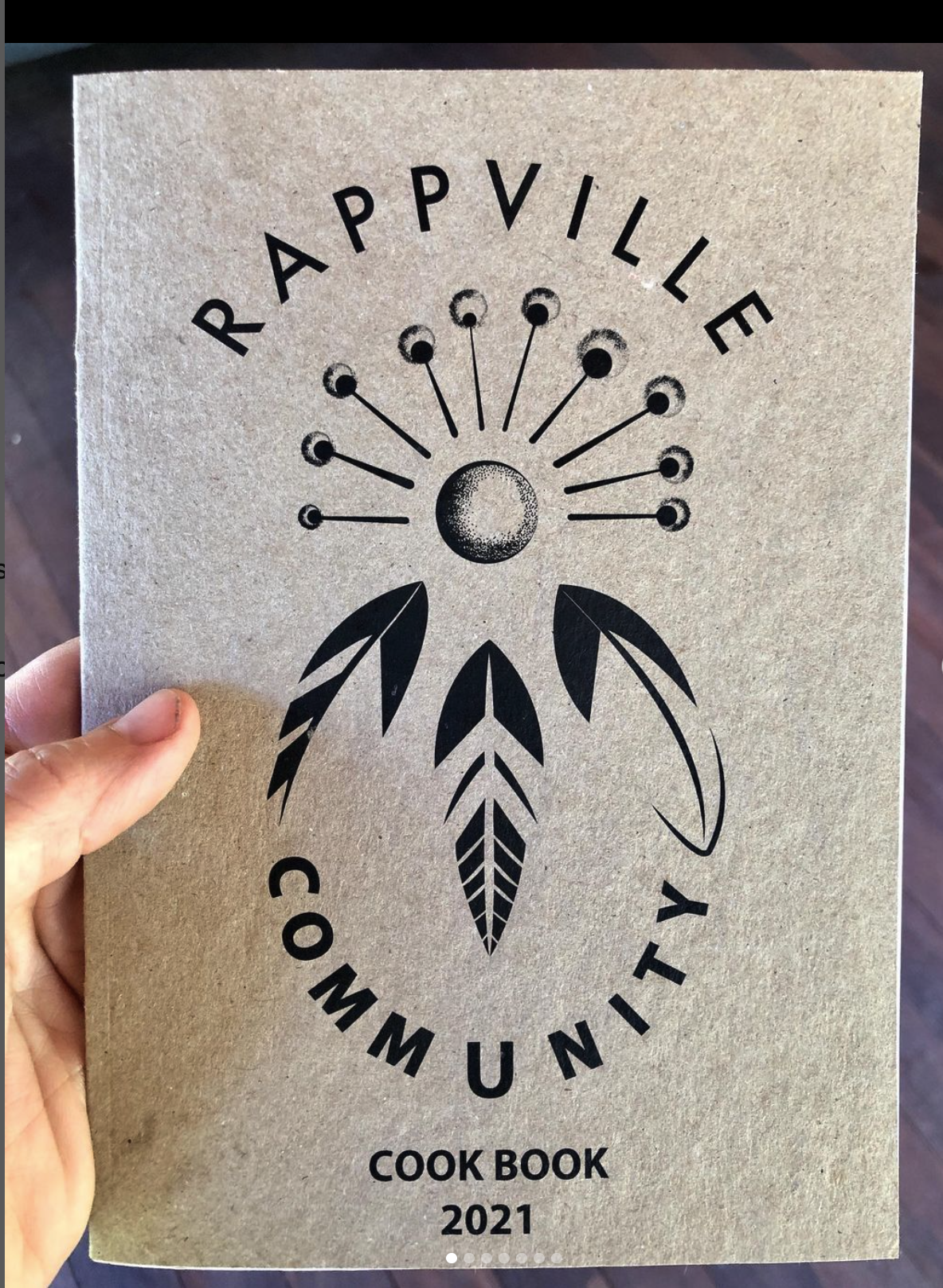
Inspired by a visit to Rappville multi-generational family of Dave + Alison Newby, whereby a historical community cookbook was shared, sparking the inception for 2021 Rappville Community Cookbook.
Deb Babb who lives in the village picked the mulberries that were used to create a unique Rappville ice cream.
Using sound bites and field recordings from Rappville visits and community interviews, a 10 minute site specific ambient ice cream sound track was created in collaboration with musician Sue Simpson. The classic and very nostalgic ice cream tune of Green Sleeves was deconstructed and reworked to create something that represented Rappville.
A community of timber, a mill, a pub, and a hall that burnt down.
Interviews with Dave Newby, Molly McLennan, June Gulliver.
(Site-specific ice cream that Wal Foster and Charlotte developed for the bush fire-affected community of Rappville, NSW.)
Inspired by a visit to Rappville multi-generational family of Dave + Alison Newby, whereby a historical community cookbook was shared, sparking the inception for 2021 Rappville Community Cookbook.
Key Community elders June Gulliver + Molly McLennan were significant contributors to the cookbook with their contribution of baking for celebrations in the community being honoured. And their coveted recipes being shared, with one community member stating-
“Finally, I am able to make June Gulliver’s Coffee Sponge!”
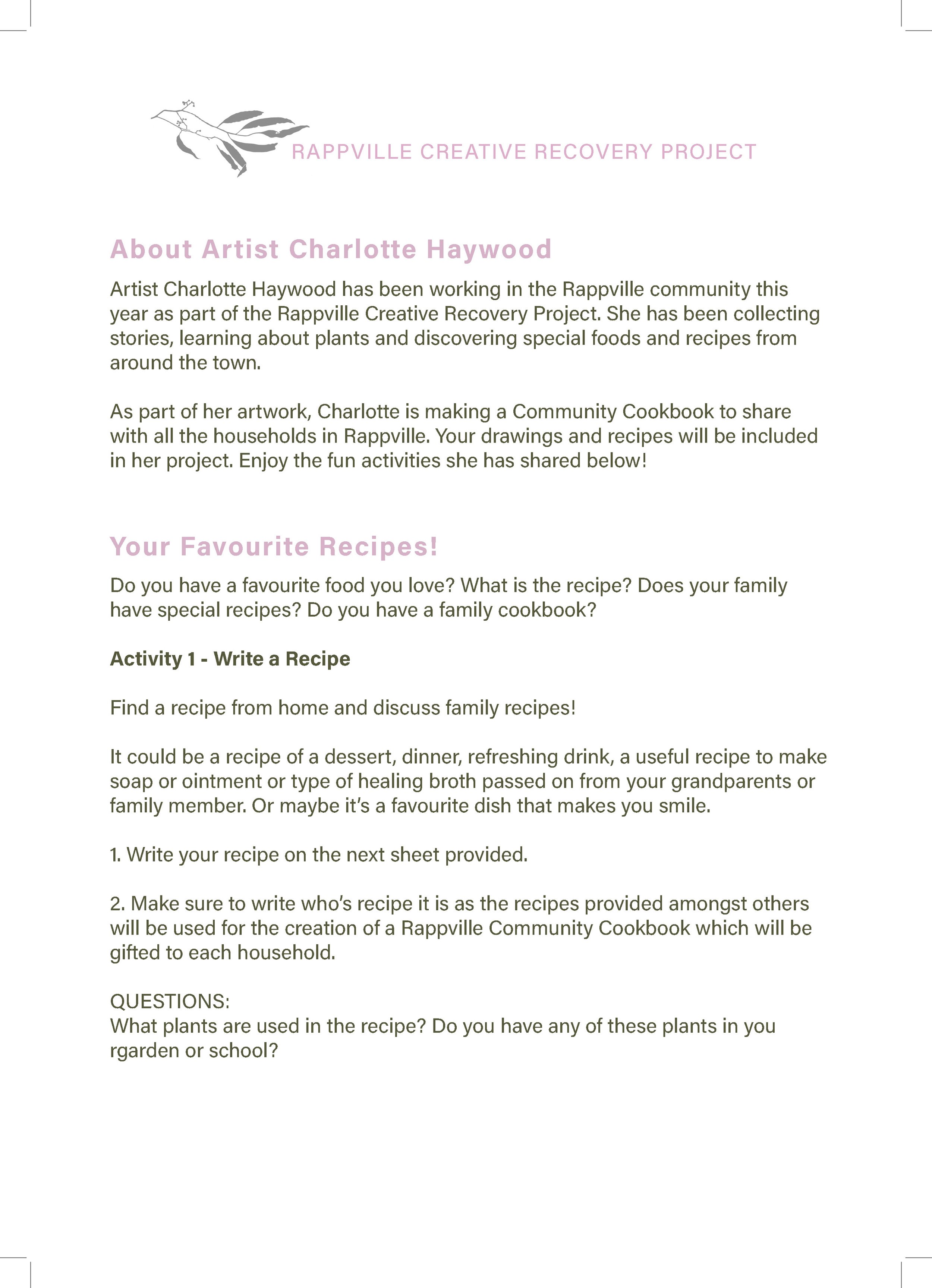
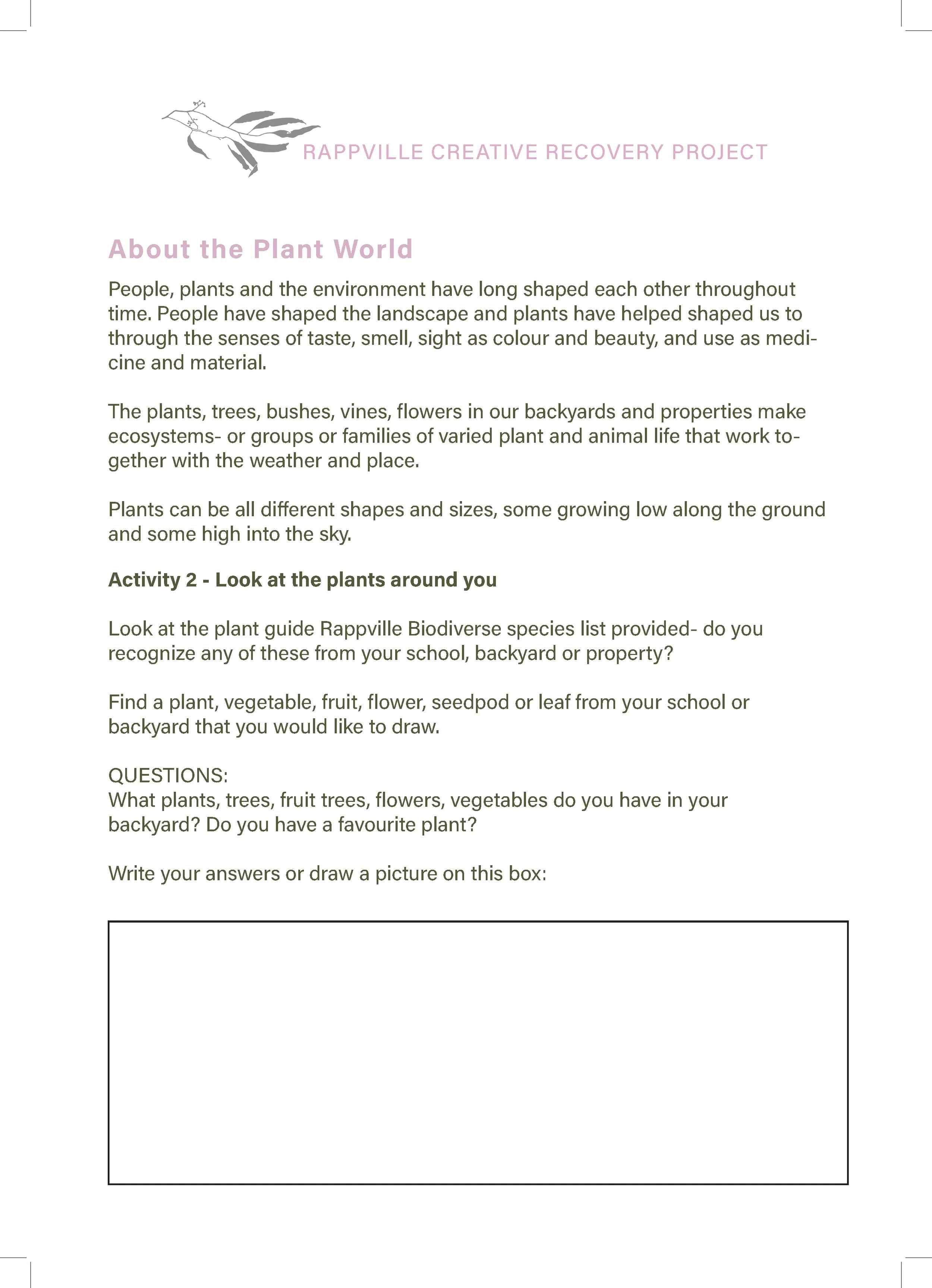
The Rappville Primary School kids also significantly contributed recipes in response to a site-specific COVID take home workshop, looking at the plants in their backyards, food plants and family recipes.
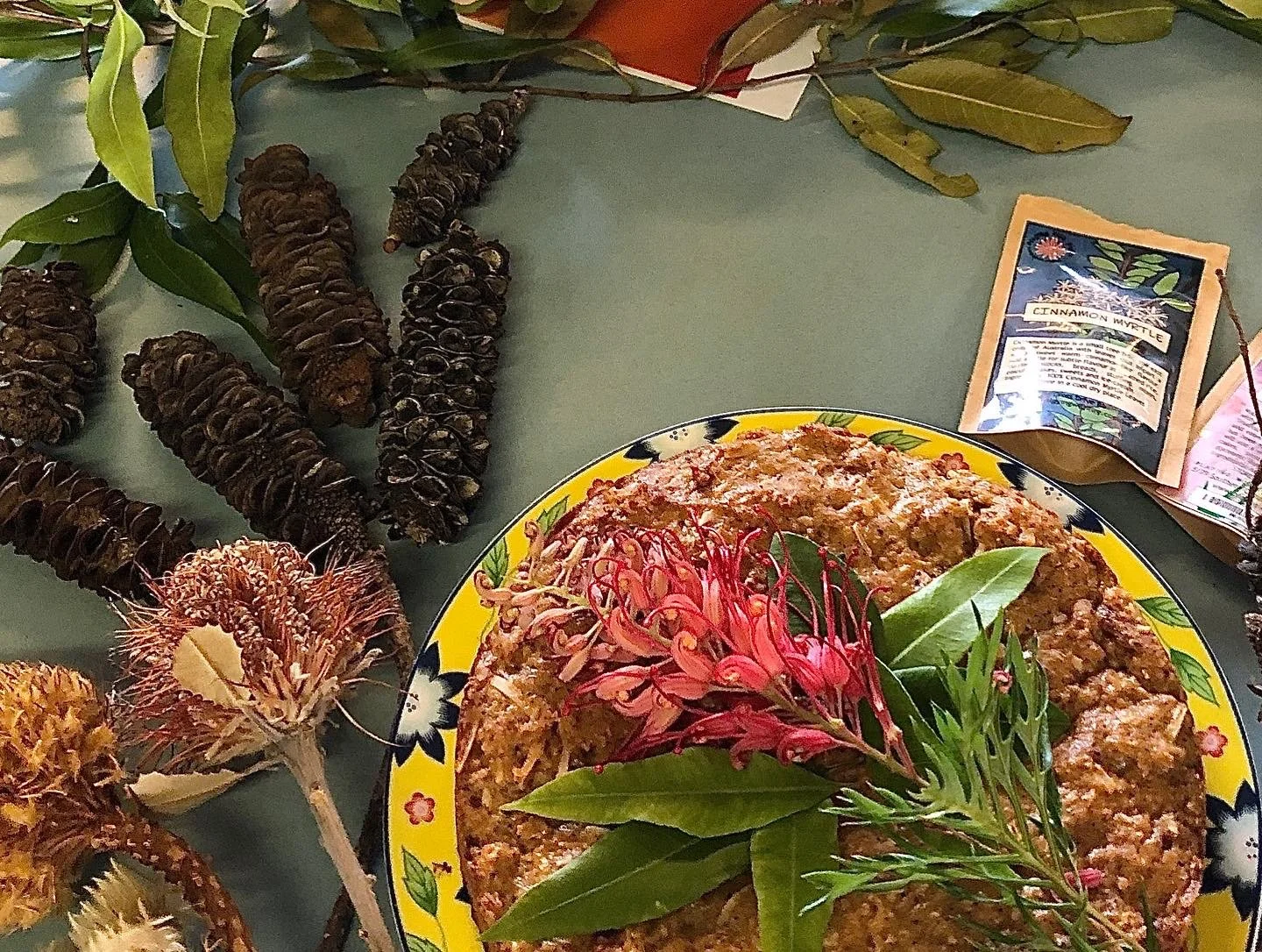
Native ingredients and uses were highlighted in the cookbook, which corresponded to the native plant give-away to help rebuild mosaic planting, for creating wildlife corridors, riparian species, food, medicine and joy.
Native and backyard produce for cake making and bringing joy.
Ingredients
2 eggs
¼ cup butter
1 cup brown sugar
I cup yoghurt
1 ½ cups all-purpose flour – sifted
1 ½ teaspoons of baking powder
1 teaspoon salt
1 cup flaked or shredded coconut
2 teaspoons ground cinnamon myrtle leaves
3 teaspoons ground wattle seed
Method
Put flour, baking powder, baking soda, coconut, cinnamon myrtle leaves, wattle seed and salt into a bowl and mix well.
In a mixing bowl, beat in the butter and sugar and add eggs one at a time.
Stir in the yoghurt and mix well.
Add the flour mixture to the wet ingredients and stir until combined.
Pour the batter into a greased 23cm x 12.5cm (9×5 inch) loaf pan or cake tin.
Bake in a pre-heated oven at 175 degrees C or 350 degrees F for 40 minutes or until cooked through.
Serve with a dollop of yoghurt or a thick spread of butter.
Illustrations, local and new recipes were shared to bring joy and social cohesion.
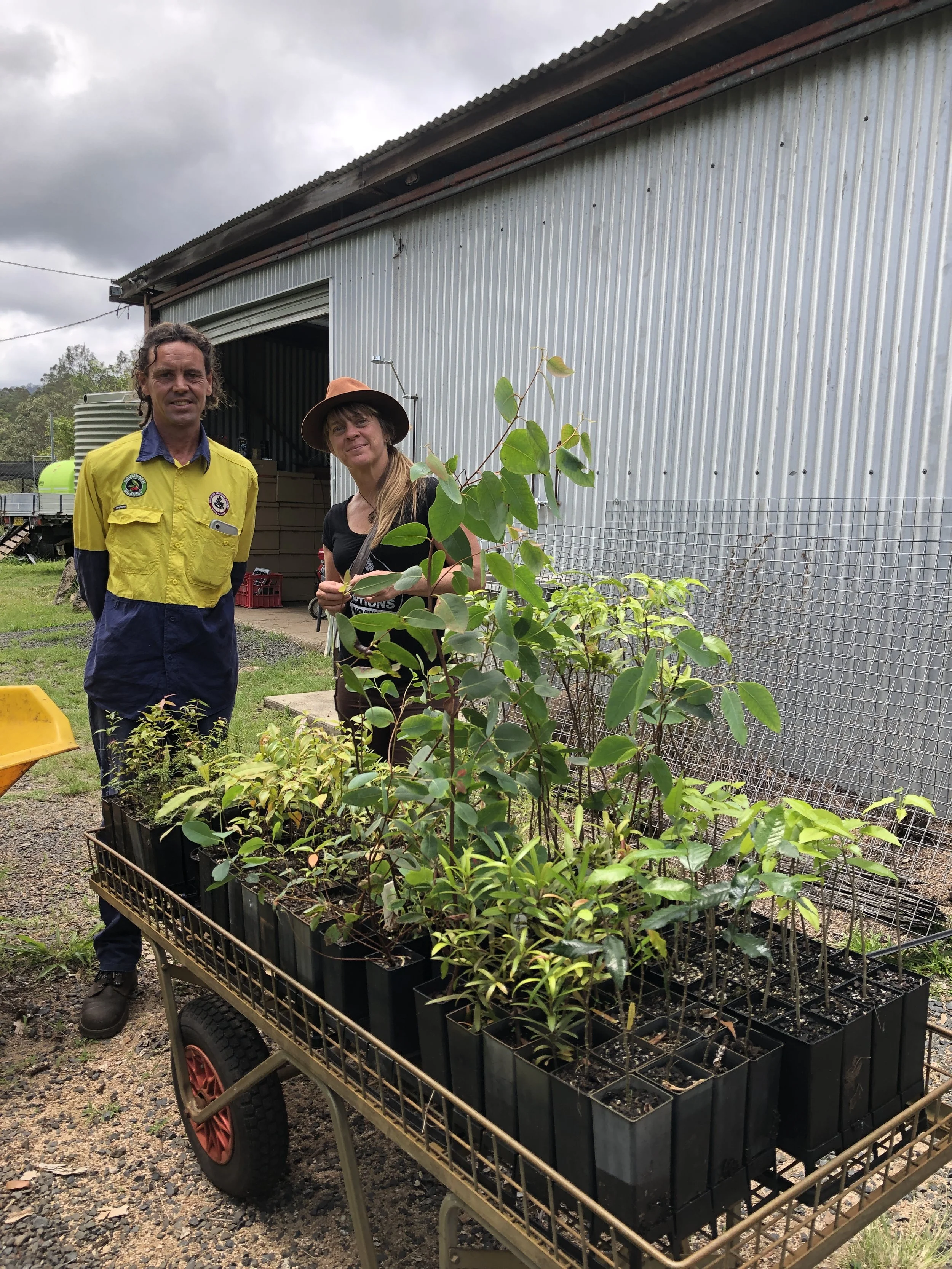
Working with the incredibly knowledgeable Gordon Watershed from Ngulingah nursery and botanically intrepid environmental scientist Michelle Chapman of seedtreemaps to put together this beautiful selection of biodiverse multi-strata riparian native plant species looking at plant #communities #flavours #habitat and #restoration to be gifted to community members in #Rappville.
Working with the incredibly knowledgeable Gordon Watershed from Ngulingah nursery and botanically intrepid environmental scientist Michelle Chapman of seedtreemaps to put together this beautiful selection of biodiverse multi-strata riparian native plant species looking at plant #communities#flavours#habitat and #restoration to be gifted to community members in #Rappville.
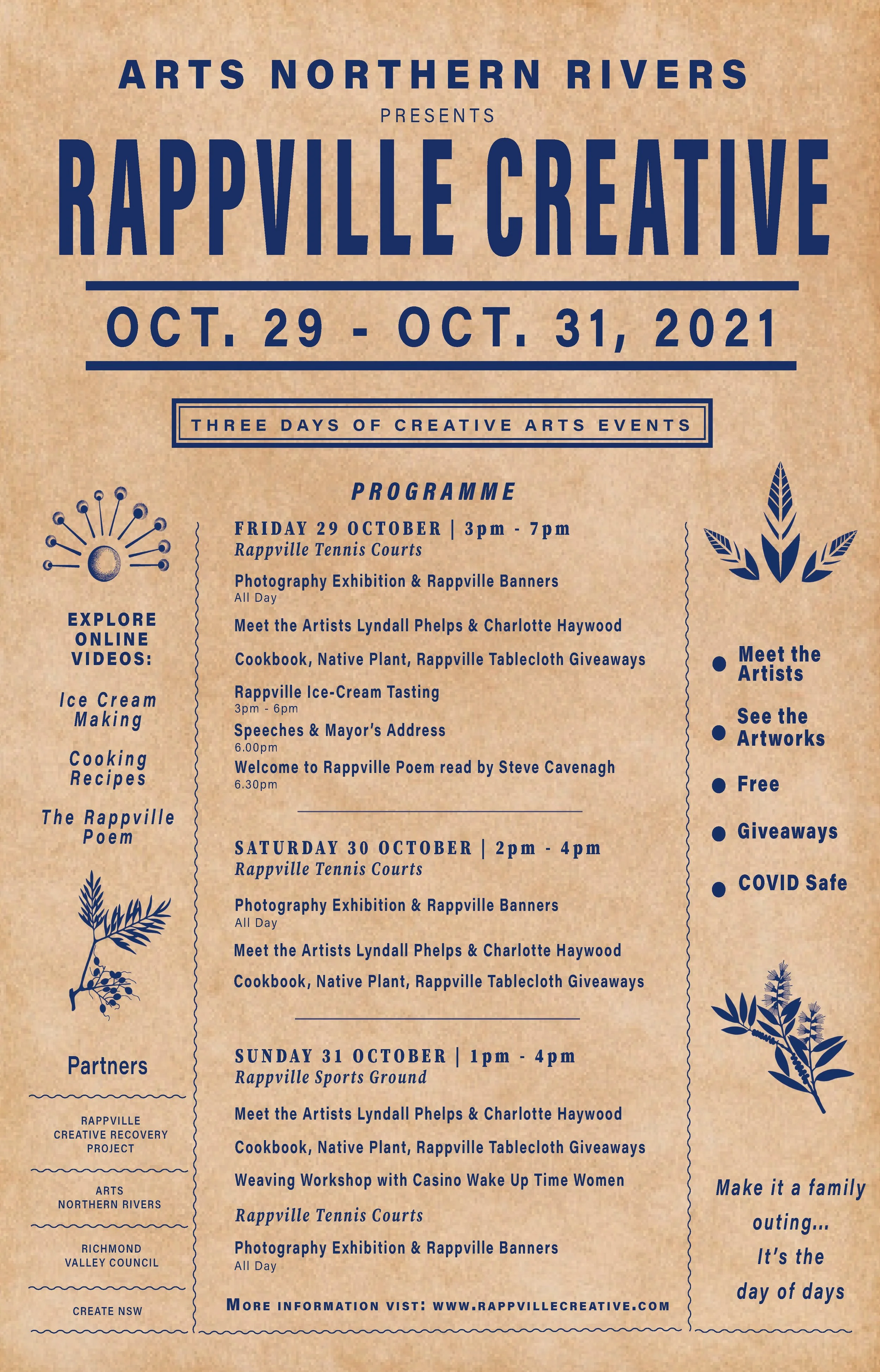
Poster
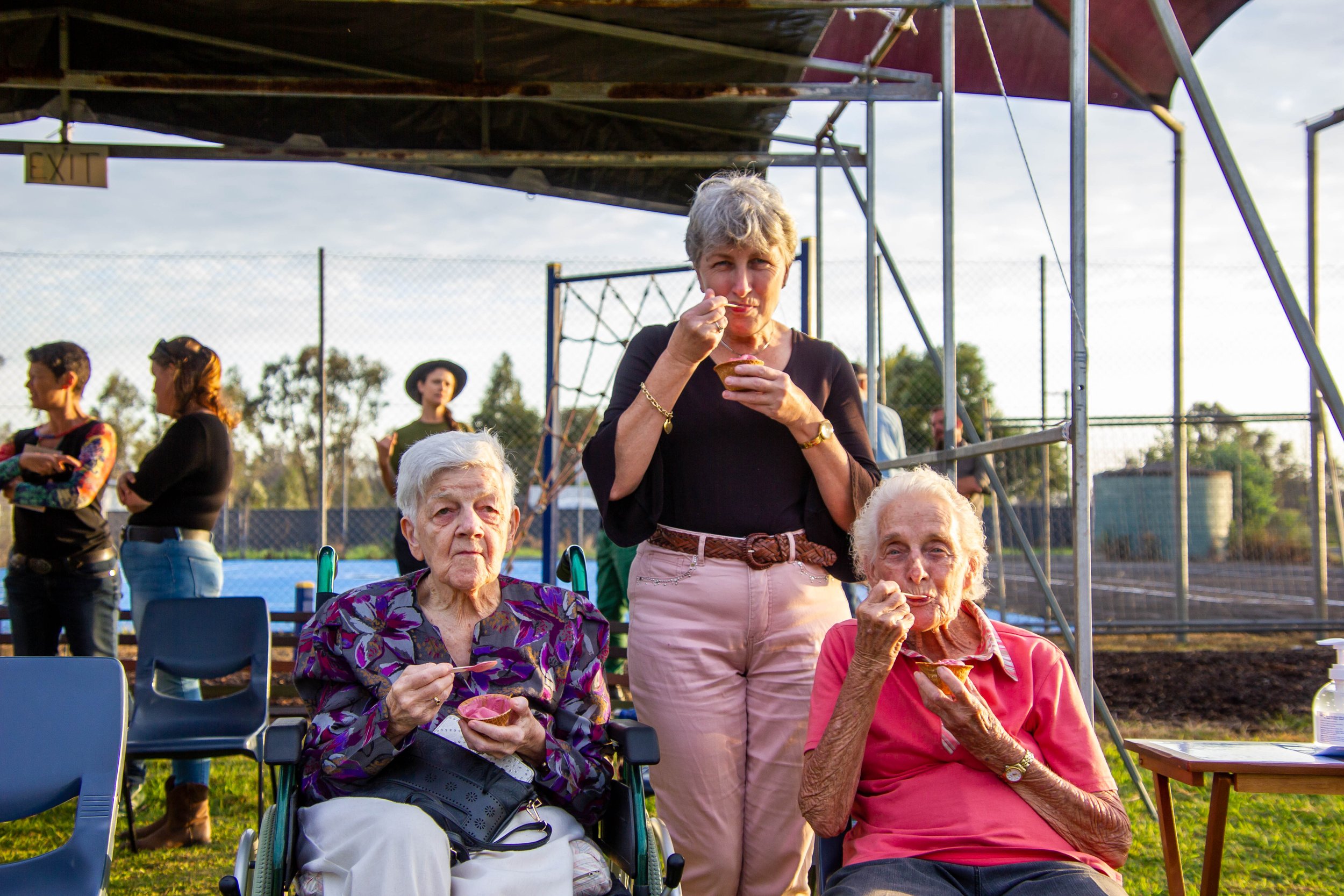
At the Rappville Creative showcase enjoying ice cream, nostalgic music and memories.
"It was a pleasure to be involved in the Rappville Creative Project from its inception through Arts Northern Rivers. The Rappville and surrounding communities had just been through one of the most horrific bushfire events ever seen in this area, in 2019. The Rappville Creative Project was welcomed as part of the community's healing and rebuilding.
It was a pleasure collaborating with Charlotte, who was extremely sensitive to all members of the community. The project produced a range of outcomes such as the "Mulberry & Lemon Myrtle Ice Cream", one of my favourites. The sculptural seat, in the shape of a leaf, sits quietly but proudly in the grounds of our new community hall which replaced the old hall that was destroyed in the fires. The native plant giveaway was also a hit. The Flax Lily is a beautiful addition to my garden.
I wholeheartedly support other initiatives similar to this and would highly recommend Charlotte leading more projects such as the Rappville Creative Project."
- Barbara Collins, Rappville Community member
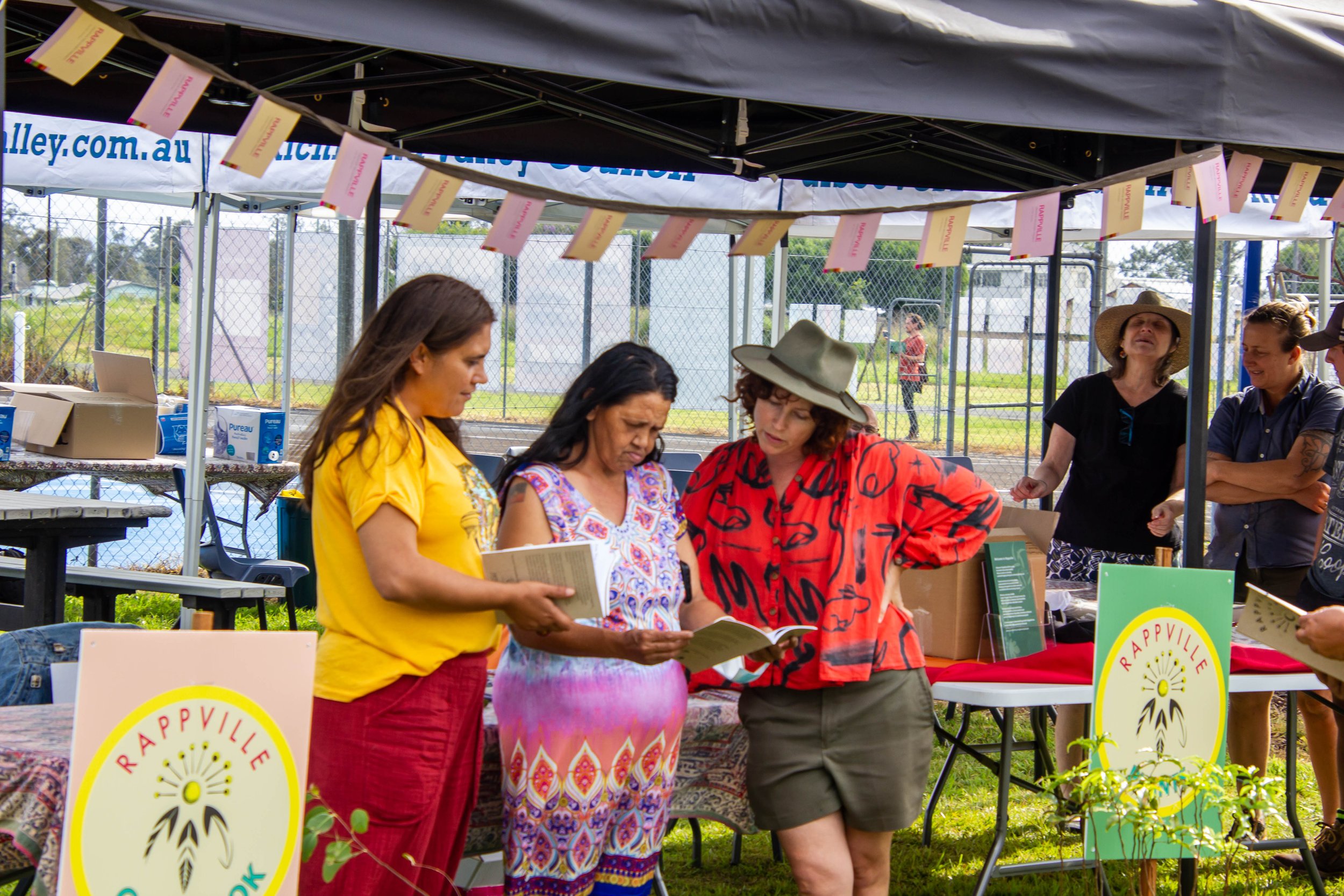
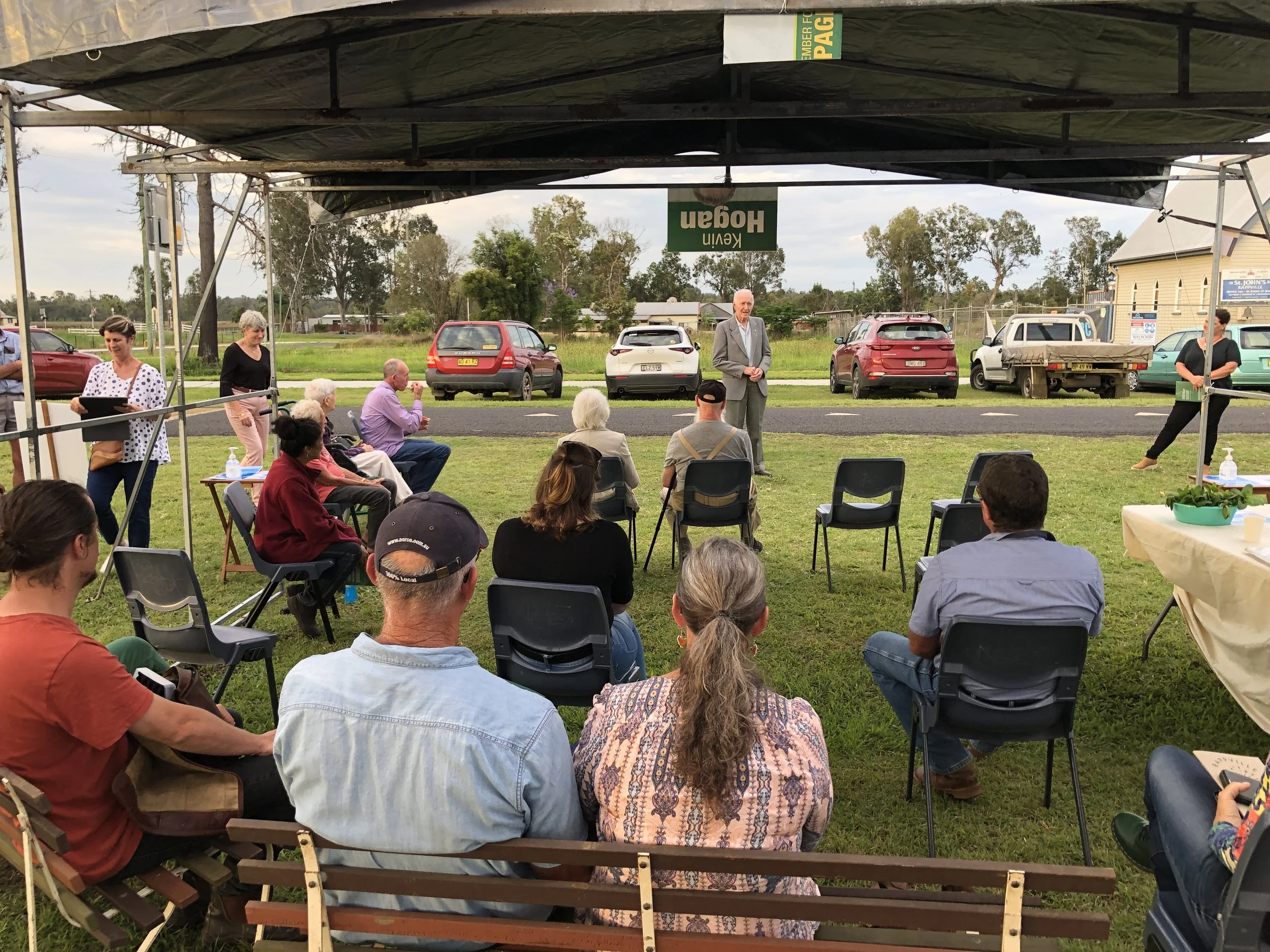
Showcase for the village of Rappville. Gifting community cookbooks, native plants, ice cream, song and workshops.
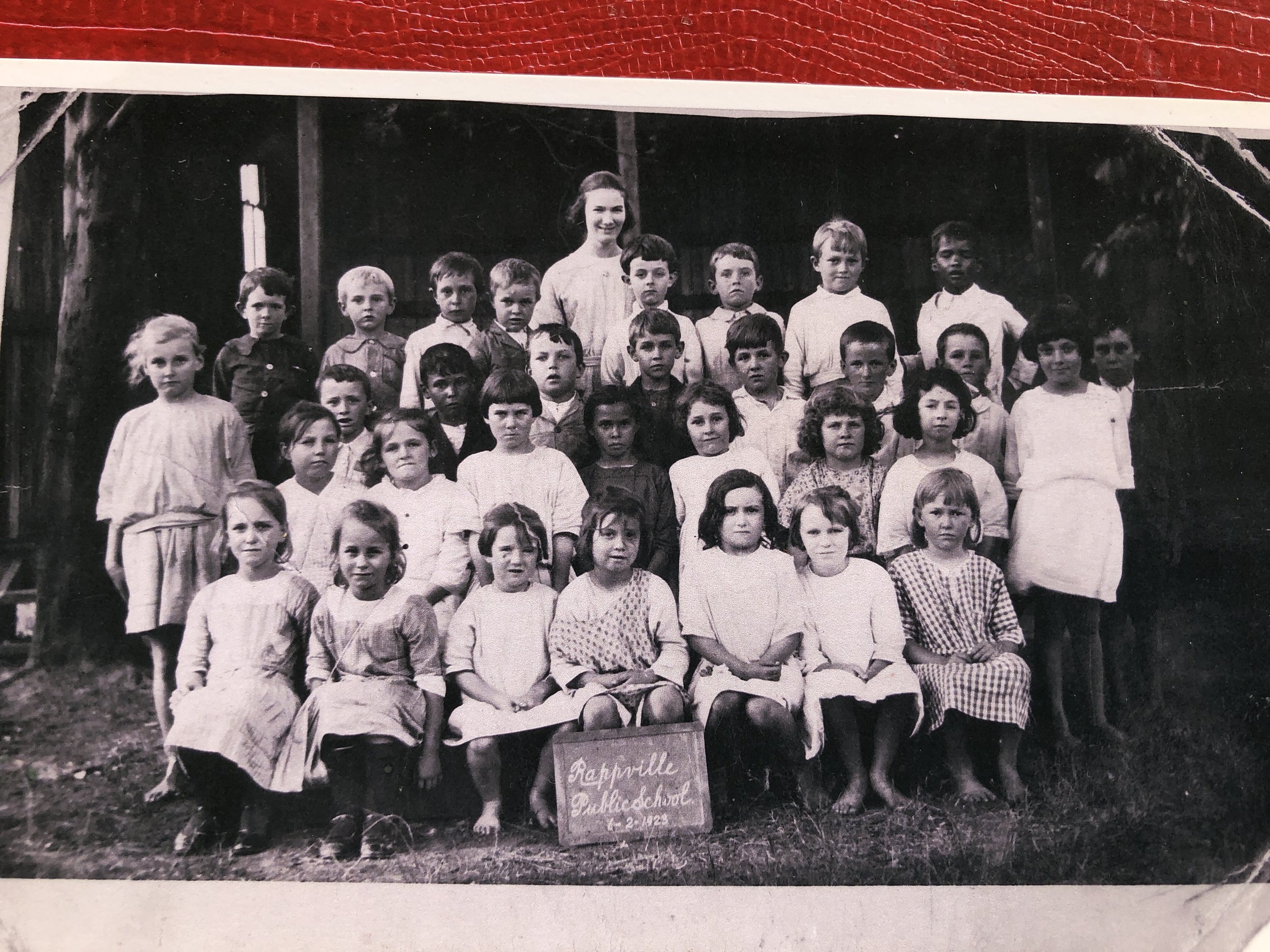
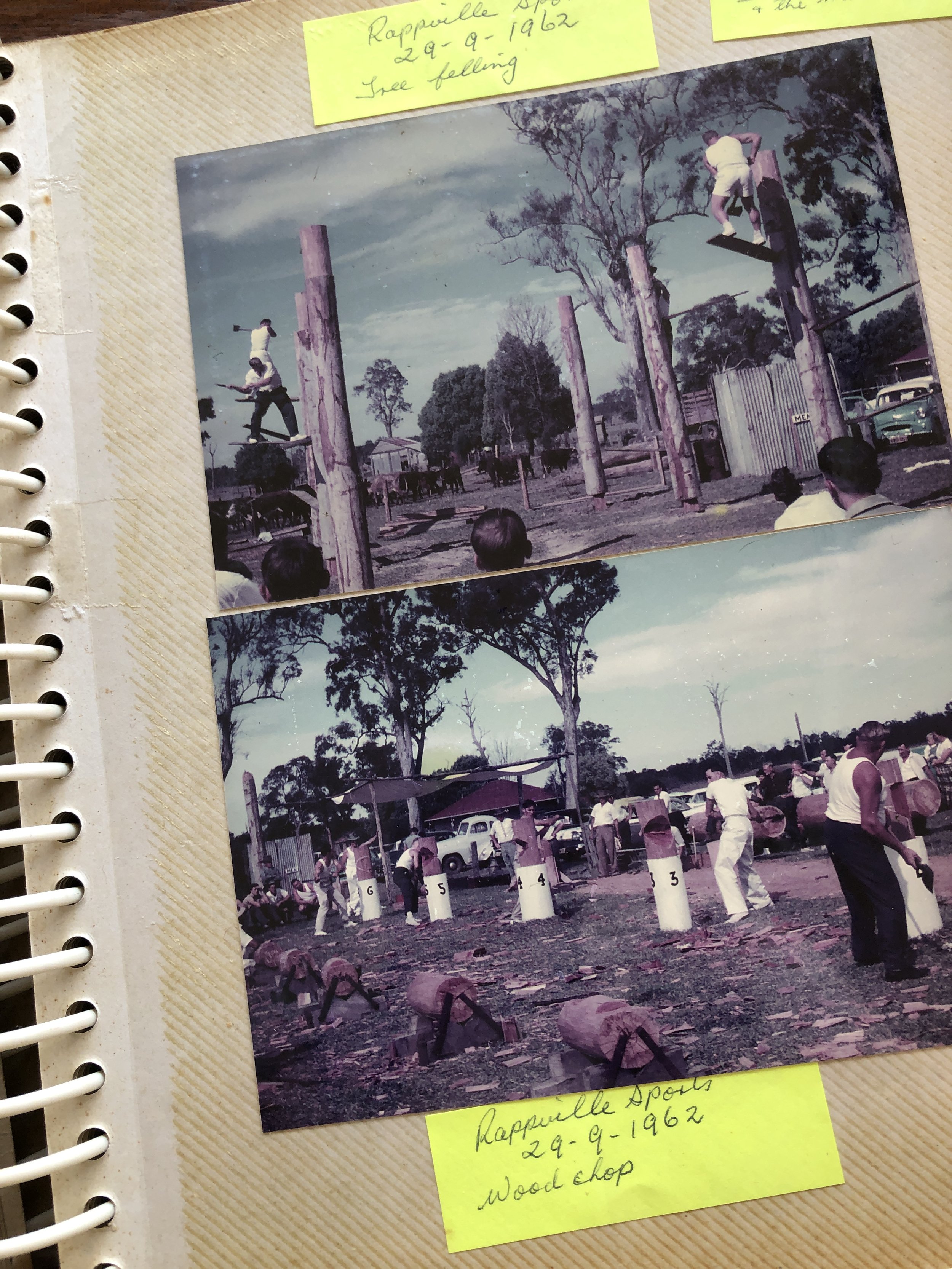
Rappville Creative also included the participation of Lyndall Phelps who recreated a historical tablecloth indicative of the village, collaborated with bush poet Steve Cavenagh and created historical photo banners and community photographic exhibition.
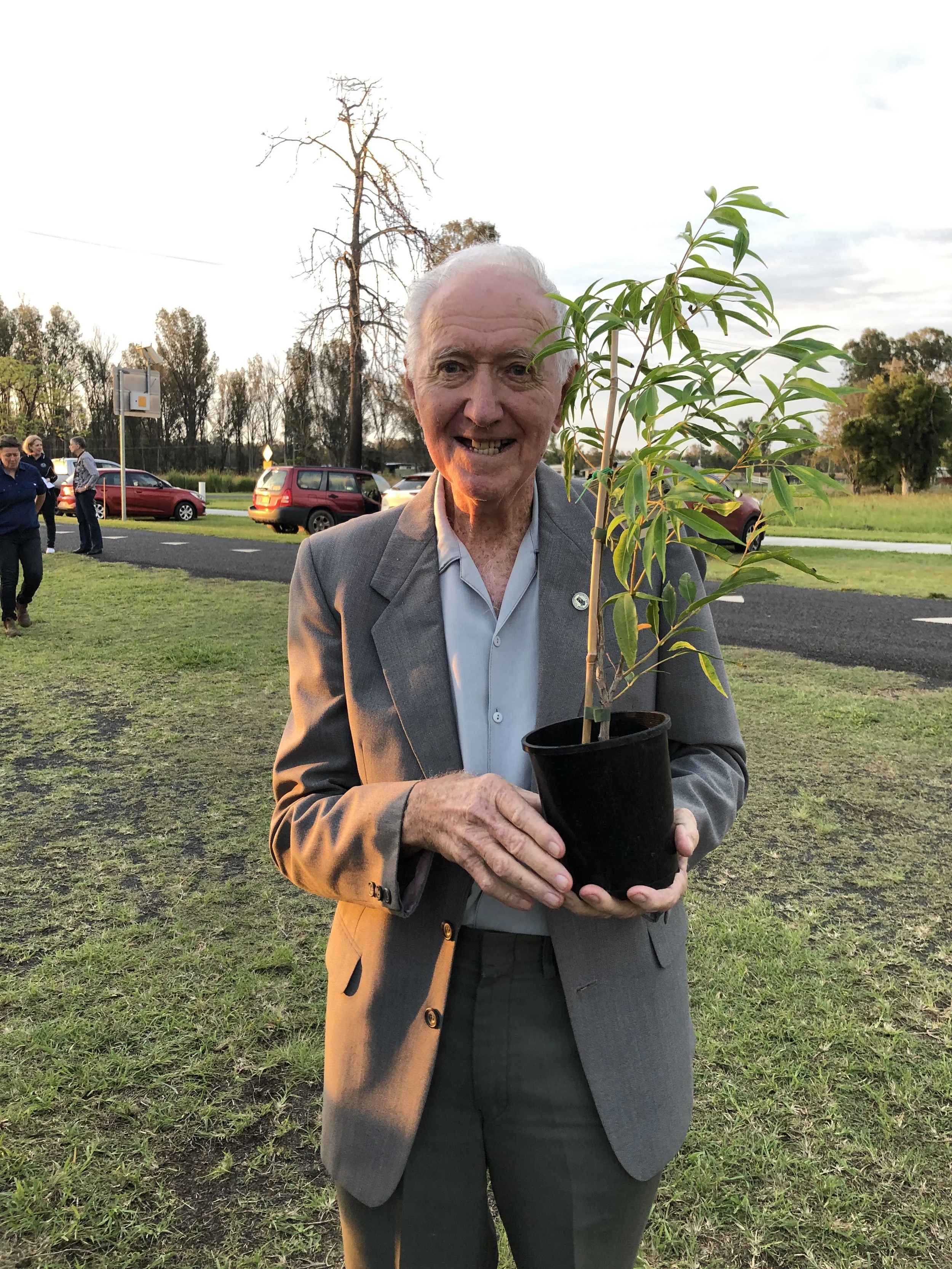
Happy with a new native plant.
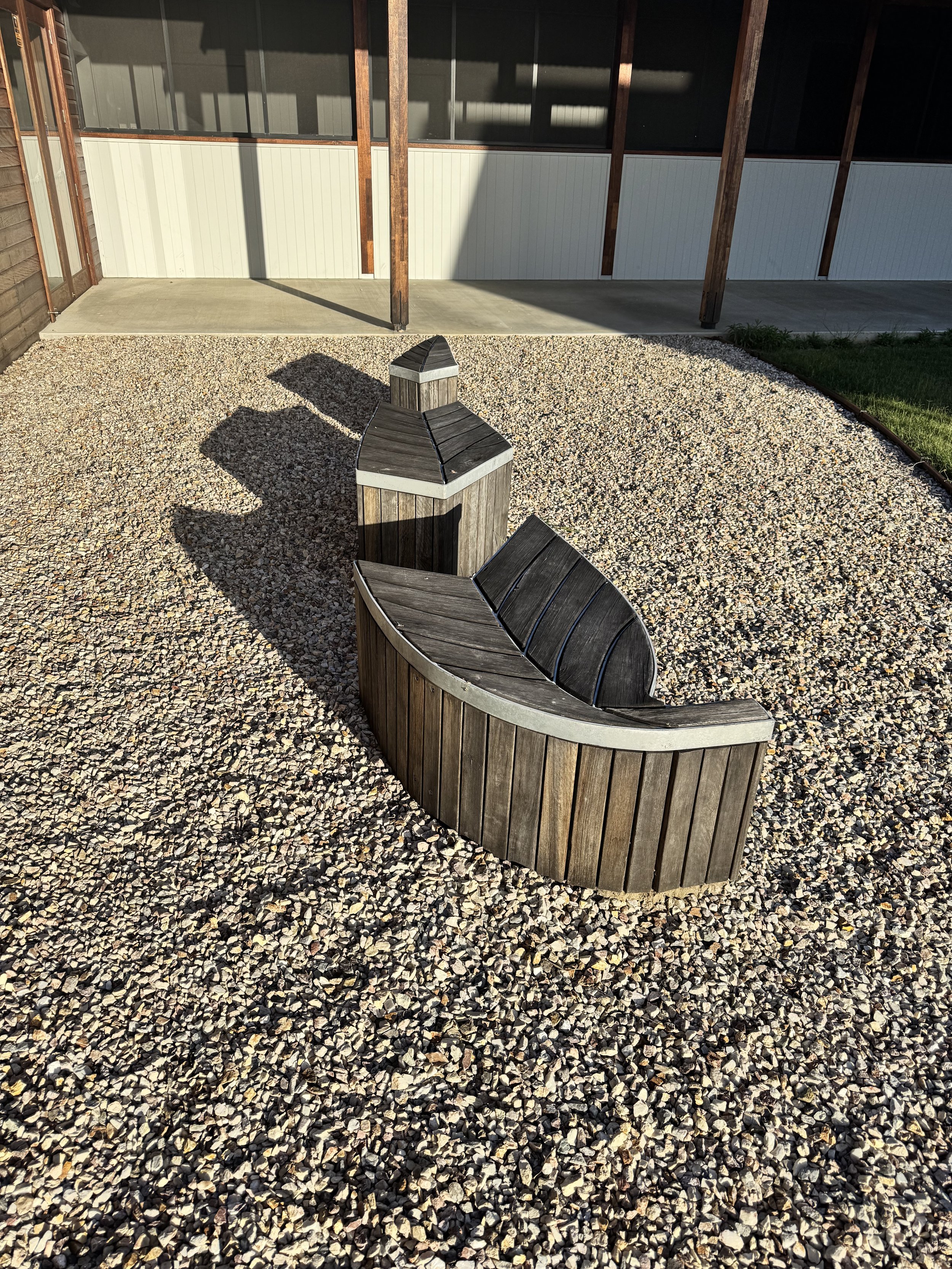
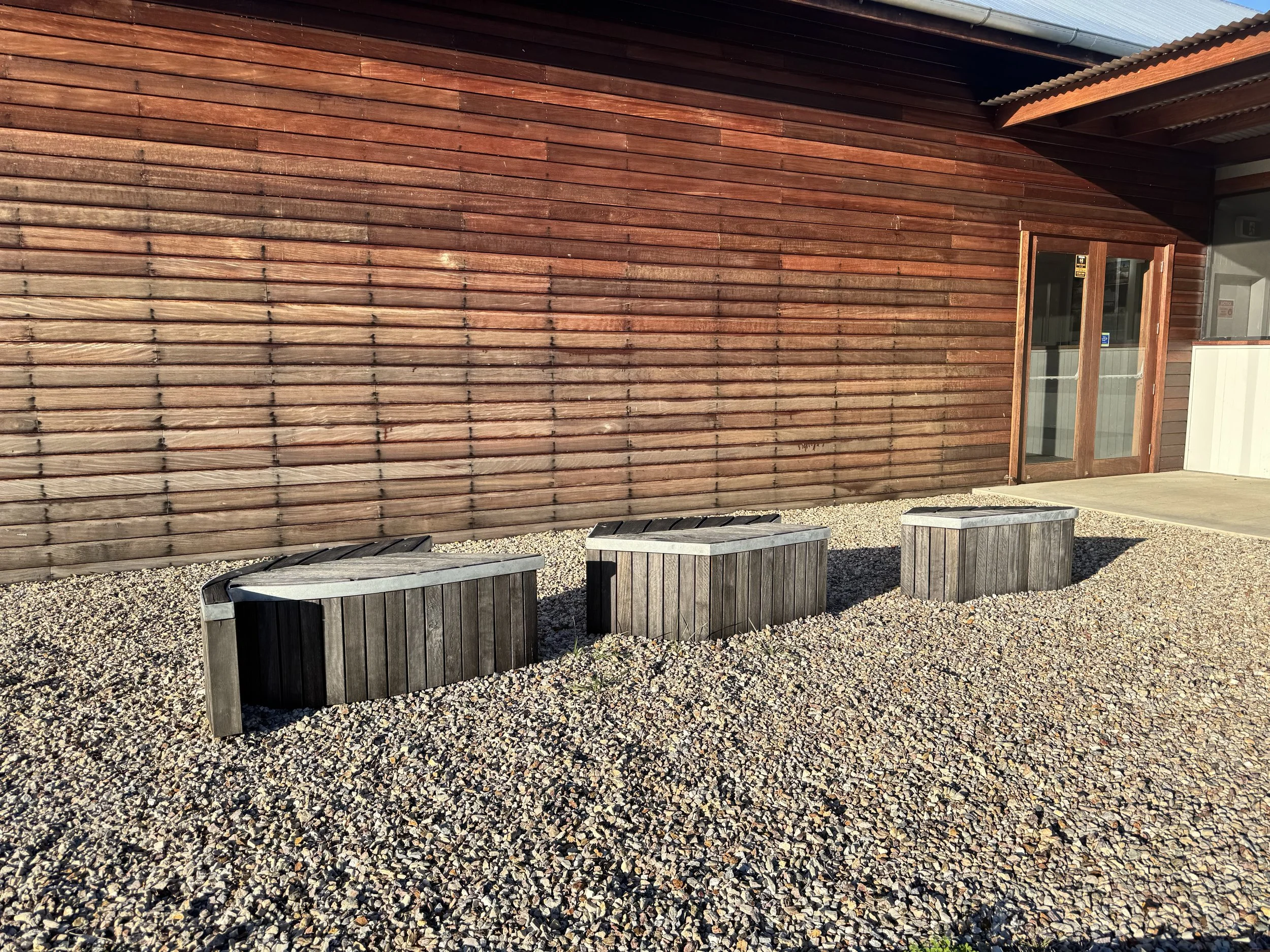
A new sculptural seat for the opening of the new community hall, after it had burnt down from the 2019 bushfires.
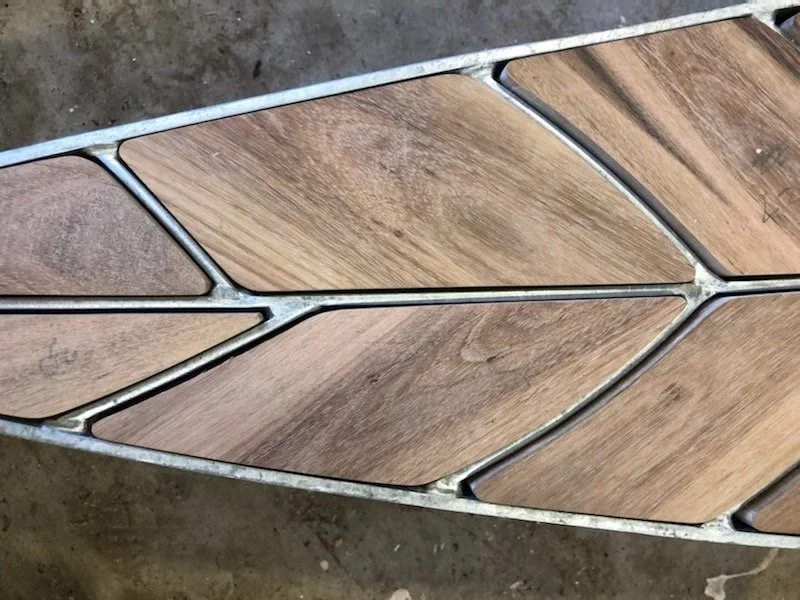
Artist Charlotte Haywood, through researching the native plants of Rappville, has designed a sculptural seat based on the leaf of the endemic native plant Syzigium Floribunda. The sculptural seat will be given to the community of Rappville and installed int he new Community Hall in 2022.
ARTWORK RATIONALE:
Inspired by the community response of the rejuvenation of Myrtle Creek, a site- specific sculptural seat will provide a playful and functional role in the community garden at the community hall location. The work will celebrate the native tree species of the 'Myrtle' (Syzygium floribunda) and create a space for contemplation and connection.
Key elements in the work are the symbolic use of form, and a selected combination of materials which add to the convergence of place as a space of connection and interactivity.
Using the leaf of the Syzygium floribunda as inspiration, a compilation of low-lying elements will be created to make an integrated suite of forms as sculptural seats.
MATERIALS:
TALLOWWOOD TIMBER is a Class 1 hardwood timber and has traditionally been used for making a range of highly demanding timber projects, from wharves and bridges to railway sleepers and mines. A tough, termite and rot resistant timber.
It is noted as being one of the best dance floors- Dave Newby.
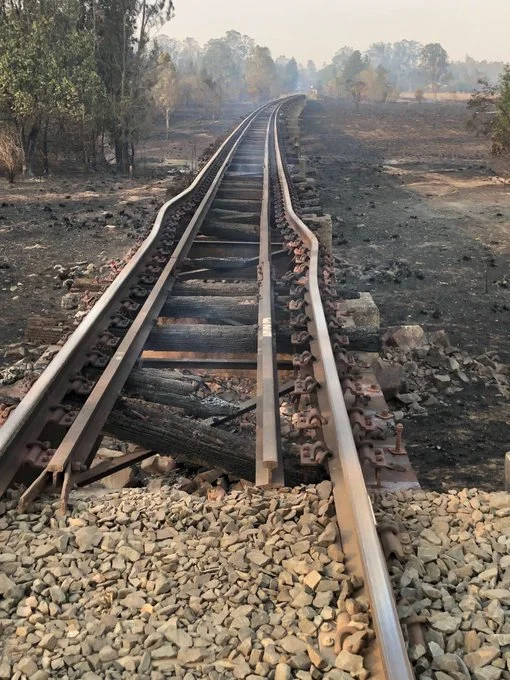
HOT DIPPED GALVANISED STEEL is durable and a noticeable material in Rappville and surrounds.
Inspired by the community response of the rejuvenation of Myrtle Creek, a site- specific sculptural seat will provide a playful and functional role in the community garden at the community hall location. The work will celebrate the native tree species of the 'Myrtle' (Syzygium floribunda) and create a space for contemplation and connection.
Key elements in the work are the symbolic use of form, and a selected combination of materials which add to the convergence of place as a space of connection and interactivity.
Using the leaf of the Syzygium floribunda as inspiration, a compilation of low-lying elements will be created to make an integrated suite of forms as sculptural seats.
MATERIALS:
TALLOWWOOD TIMBER is a Class 1 hardwood timber and has traditionally been used for making a range of highly demanding timber projects, from wharves and bridges to railway sleepers and mines. A tough, termite and rot resistant timber.
It is noted as being one of the best dance floors- Dave Newby.
HOT DIPPED GALVANISED STEEL is durable and a noticeable material in Rappville and surrounds.
detail of the sculptural seat
Buckled after the fires.
Rappville lost its main community hall during the 2019 bushfires.
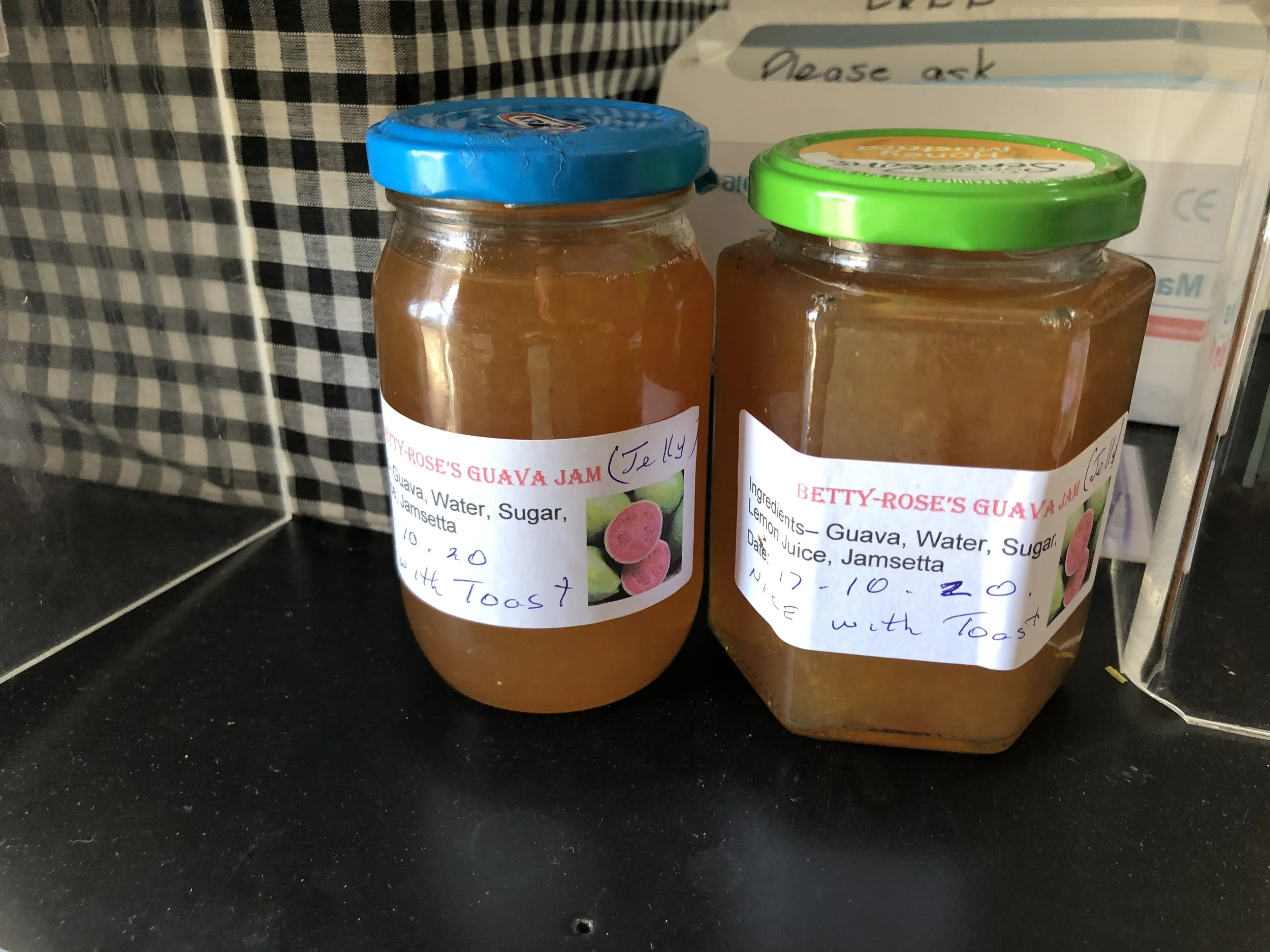
Made by Betty-Rose